
Article: Alternatives to Traditional Stone Fire Pits
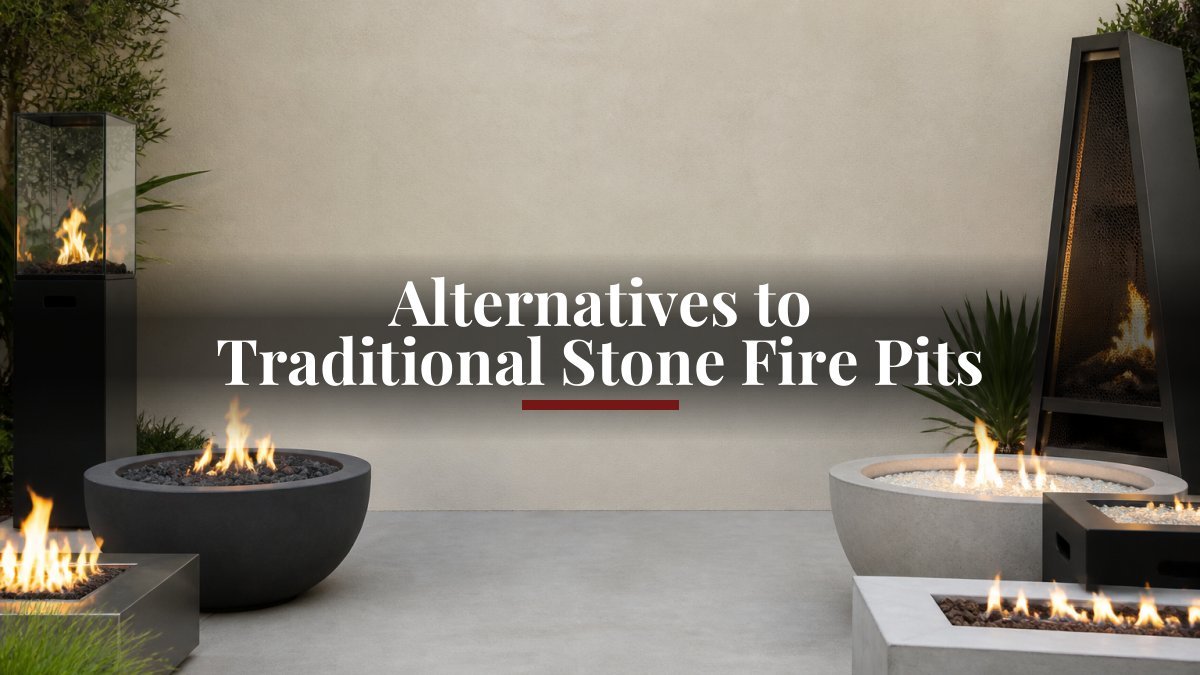
Alternatives to Traditional Stone Fire Pits
Table of Contents
- Why Homeowners Are Moving Beyond Traditional Stone Fire Pits
- Gas Fire Pits: Performance and Convenience
- Fire Tables: Function Meets Ambiance
- Metal Fire Pits: Durability and Style
- Outdoor Fireplaces: Year-Round Focal Points
- Comparing Alternatives: Cost, Maintenance, and Heat Output
- Choosing the Right Alternative for Your Space
- What to Ignore When Evaluating Fire Pit Alternatives
- Frequently Asked Questions
Last Updated: October 6, 2026
Why Homeowners Are Moving Beyond Traditional Stone Fire Pits
Traditional stone fire pits have dominated backyard design for decades, but they're no longer the only option, or the best one for many homeowners.
The shift away from traditional stone fire pits reflects changing priorities: design flexibility, easier maintenance, cleaner fuel, and features that work in smaller spaces, plus portability and year-round functionality a wood-burning pit can't deliver.
At Eternal Flame Outdoors, we help homeowners explore alternatives to traditional stone fire pits that match their lifestyle, climate, and entertaining needs, from gas convenience and a fire table's elegant lines to an outdoor fireplace's architectural presence and a metal fire pit's versatility.

Gas Fire Pits: Performance and Convenience
Gas fire pits are the most popular alternative to traditional stone fire pits for one reason: they work when you want them to. No waiting for wood to catch, no smoke management, no ash cleanup.

Available in propane or natural gas, they deliver consistent heat without wood's unpredictability, with flame height and intensity that stay constant all evening.
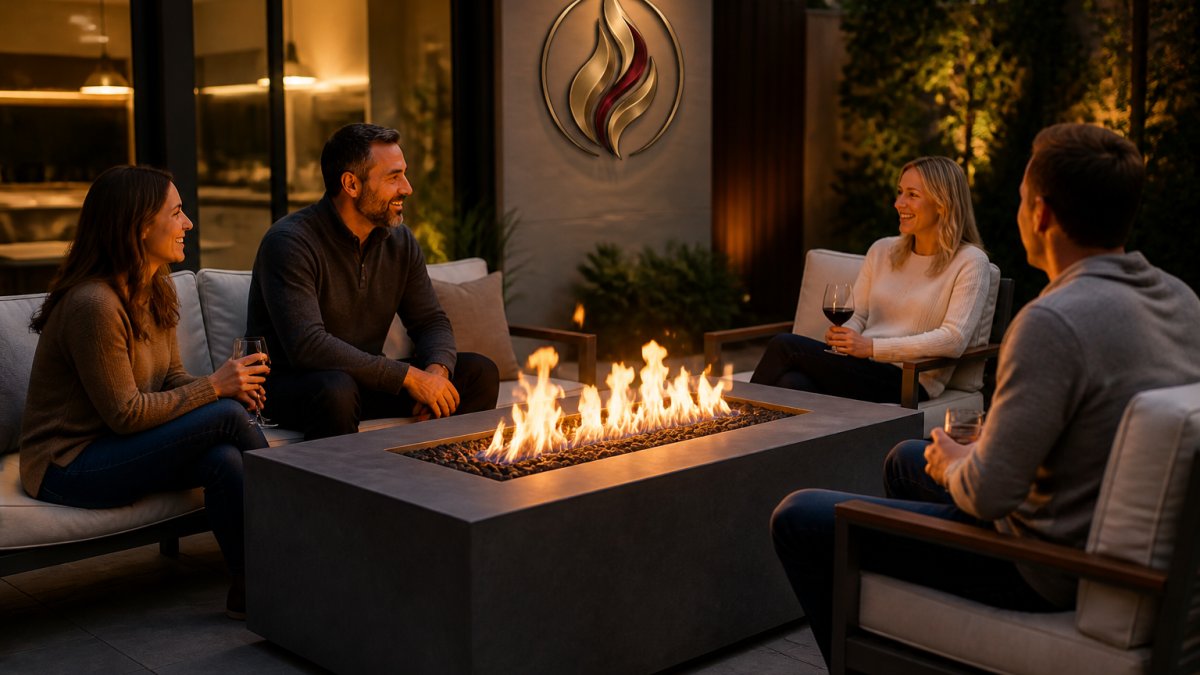
Modern gas fire pits range from sleek metal bowls to sophisticated GFRC (glass fiber reinforced concrete) vessels that suit contemporary and traditional spaces alike.
How Gas Fire Pits Compare to Wood-Burning Designs
A wood-burning fire pit demands attention: managing fuel, controlling smoke direction based on wind, dealing with ash and debris, and hoping wood catches when humidity is high.
Gas fire pits eliminate these variables: cleaner, more reliable, and virtually maintenance-free beyond occasional cleaning, with no creosote buildup or smoke damage.
Heat output differs too: wood fires produce more intense, variable heat depending on wood type and burn rate, while gas fires deliver consistent, controllable warmth.
Fuel Flexibility: Natural Gas vs. Propane
Your choice between natural gas and propane depends on what's available at your property and your comfort with fuel management.
Natural gas connects to your home's existing gas line or requires a new line run from the street. Once installed, fuel is always available and billed through your utility.
Propane uses portable tanks stored remotely, usually in a dedicated enclosure, refilled periodically.
Both deliver the same clean, controlled flame. The difference is convenience versus flexibility.
Fire Tables: Function Meets Ambiance
A fire table is a gas-powered fire feature with a low, broad surface and a burner integrated into the top.
Fire tables solve a problem traditional fire pits create: they don't consume valuable patio real estate. A stone pit is purely functional; a fire table doubles as a multi-purpose centerpiece.
The GFRC construction common in premium fire tables offers durability without stone's weight and permanence. These bowls can be repositioned if your layout changes.
Why Fire Tables Work in Smaller Spaces
A 12x15-foot patio can't fit a traditional fire pit surrounded by seating.
Smaller fire tables like the True Flame Sanctuary 3 (29 inches in diameter, 14 inches high) fit modest patios, pool areas, and courtyards.

The low profile, usually 14-18 inches high, maintains sightlines across your patio. A traditional stone pit built to proper safety height can block views and make small spaces feel even smaller.
Design Flexibility and Material Options
Fire tables come in multiple materials and finishes.
Burner systems vary too.
Ignition options range from simple match-throw (manual ignition with a long lighter) to electronic push-button systems. Some models include adjustable flame height, letting you dial in visual intensity and heat output.
This flexibility lets you choose a fire table matching your entertaining style, patio layout, and aesthetic, something a traditional stone pit can't offer.
Metal Fire Pits: Durability and Style
Metal fire pits occupy a middle ground between traditional stone and sophisticated fire tables. Typically made from steel or cast iron, sometimes with mesh screens or ornamental legs, some are wood-burning and others accept gas burners.
Metal pits offer flexibility in placement: portable enough to move if your patio design evolves, yet substantial enough to feel like a permanent fixture. They work in contemporary, industrial, and eclectic outdoor spaces.
Stainless Steel and Cast Iron Performance
Stainless steel is the premium choice for durability. Stainless steel fire bowls like the True Flame Lume series maintain their finish with minimal maintenance, an occasional wipe-down is usually sufficient.
Cast iron offers a traditional, rustic aesthetic. It's heavy, which provides stability.
Both materials conduct and radiate heat effectively. Stainless steel does it without the maintenance burden, which is why it dominates premium fire pit design.
Maintenance and Weather Resistance
Stainless steel fire pits require minimal ongoing care. Occasional cleaning with mild soap and water keeps them looking new.
Cast iron demands more attention.
Weather resistance also depends on the burner system. Stainless steel burners (typically 304-grade) resist corrosion and maintain performance. Lower-quality burners can degrade, affecting flame consistency and reliability.
If you live in a climate with significant temperature swings or moisture exposure, stainless steel is the smarter choice. It performs reliably with virtually no maintenance.
True Flame Lume 24" Fire Bowl →
Outdoor Fireplaces: Year-Round Focal Points
An outdoor fireplace is a permanent architectural feature that transforms how you use your outdoor space. Unlike fire pits, which are gathering points, fireplaces become focal points, they anchor the design and create visual interest even when not in use.
Outdoor fireplaces deliver substantial heat output, making them functional for extending your outdoor season into cooler months. They work in covered patios, open-air courtyards, and alongside pools.
Linear and Built-In Designs for Modern Spaces
Linear gas fireplaces like the True Flame Kalea Bay create a ribbon of flame across a horizontal opening.
These fireplaces are vent-free outdoor designs, meaning they don't require a chimney or traditional venting system. They're built into walls, between outdoor kitchen elements, or as standalone architectural features, with clean stainless steel construction that complements contemporary design.
Built-in fireplaces integrate into your patio structure, becoming part of the architecture rather than an accessory.
Installation Flexibility and Architectural Impact
Linear fireplaces offer more flexibility than traditional masonry fireplaces. A qualified professional can install one into an existing patio wall, between columns, or as a freestanding feature.
The architectural impact is substantial. A fireplace becomes a destination, people naturally gather in front of it, and it creates visual interest from inside your home looking out, part of your outdoor aesthetic even when not in use.
The heat output is significant enough to make a covered patio usable during shoulder seasons.
Comparing Alternatives: Cost, Maintenance, and Heat Output
Different fire features excel in different situations. Understanding the trade-offs helps you choose what actually fits your life.
| Feature | Gas Fire Pit | Fire Table | Metal Fire Pit | Outdoor Fireplace |
|---|---|---|---|---|
| Setup Complexity | Moderate (gas line or propane tank) | Moderate (burner assembly) | Minimal (place and use) | High (permanent installation) |
| Maintenance | Minimal (occasional cleaning) | Minimal (occasional cleaning) | Low to moderate (stainless) to high (cast iron) | Minimal to moderate |
| Heat Output | Moderate (50K-125K BTU typical) | Moderate (50K-125K BTU typical) | Variable (wood-dependent) | High (40K-65K BTU typical) |
| Space Requirements | 24-39 inches diameter | 24-76 inches diameter | 24-48 inches diameter | Built-in (variable) |
| Fuel Cost | Low to moderate (gas/propane) | Low to moderate (gas/propane) | Moderate to high (wood) | Low to moderate (gas) |
| Design Flexibility | High (multiple finishes) | Very high (materials, sizes) | Moderate | High (custom built-in options) |
| Portability | Low (requires gas setup) | Low (requires gas setup) | High (metal pits) | None (permanent) |
Gas fire pits and fire tables have nearly identical operating costs, they use the same fuel and burner technology. The difference is design and function.
Metal fire pits have lower upfront costs but higher maintenance.
Outdoor fireplaces are the premium option in both installation cost and architectural impact, permanent investments that reshape how you use your entire patio.
Choosing the Right Alternative for Your Space
The best alternative to a traditional stone fire pit depends on three things: your space, your entertaining style, and your climate.
Small Patios and Compact Layouts
If your outdoor area is limited, a fire table is your answer. The True Flame Sanctuary 3 (29 inches) fits into surprisingly small spaces. The True Flame Sanctuary 2 (39 inches) works beautifully as a centerpiece for a modest patio.
Compact gas fire pits (24-30 inches) are another option if you want the traditional gathering-around-the-fire experience in a smaller footprint.
Avoid large metal fire pits or permanent outdoor fireplaces in tight spaces, they'll dominate the patio and make the area feel cramped.
Large Gathering Areas and Entertainment Zones
Larger patios and dedicated entertaining spaces can accommodate bigger features. The True Flame Sanctuary 1 (56-inch or 76-inch fire table) creates a sophisticated focal point for substantial entertaining areas.
Multiple smaller fire features can work too, a fire table for intimate gatherings and a separate fireplace for visual impact and heat.
In large spaces, the goal is creating intentional gathering zones rather than spreading features across the patio. A well-placed fire feature anchors a seating arrangement and creates a sense of purpose.
Renter-Friendly and Portable Options
If you rent or want flexibility to relocate your fire feature, portability matters.
Gas fire pits and fire tables require fuel setup (propane tanks or gas lines), which limits portability but still allows relocation if you're willing to manage the fuel logistics.
Permanent outdoor fireplaces aren't an option for renters unless your landlord approves significant modifications, which is unlikely.
For renters, a quality metal fire pit or a portable gas fire bowl offers the best balance of ambiance, functionality, and flexibility.
What to Ignore When Evaluating Fire Pit Alternatives
Ignore brand prestige without substance. Some companies market "premium" fire features based on brand name alone.
Ignore BTU ratings without context. A higher BTU number doesn't automatically mean better performance.
Choosing the right fire feature is one of the most impactful decisions you'll make in your patio design.
At Eternal Flame Outdoors, we specialize in premium fire features from trusted brands like True Flame.
Frequently Asked Questions
What are the best alternatives to traditional stone fire pits?
Gas fire pits, fire tables, metal fire bowls, and outdoor fireplaces all offer practical alternatives to traditional stone designs. Gas options provide convenience and consistent heat, fire tables work well in smaller spaces while offering seating surface, and metal or GFRC (glass fiber reinforced concrete) constructions deliver durability without the weight and cracking issues of stone. The best choice depends on your space, fuel availability, and how you plan to use the feature.
Are gas fire pits better than wood-burning fire pits?
Gas fire pits offer distinct advantages: no smoke, easier cleanup, adjustable flame height, and consistent heat output. Wood-burning pits provide a traditional campfire experience but require fuel storage, produce smoke, and need more maintenance. Neither is objectively better, it depends on whether you prioritize convenience and low maintenance (gas) or authentic ambiance and the traditional fire experience (wood).
Can you use a fire table in a small backyard?
Yes, fire tables are ideal for compact spaces. Models like the True Flame Sanctuary 3 at 29 inches diameter or the Sanctuary 2 at 39 inches provide fire ambiance without consuming much floor space. Their low-profile design (14-18 inches high) keeps sightlines open, and the tabletop surface adds functionality. They work beautifully in patios as small as 12x15 feet when positioned thoughtfully.
What fuel type should I choose for an outdoor fire feature?
Natural gas is ideal if your home has a gas line or you're building near one, it's convenient and requires no refilling. Propane works anywhere with a tank and offers flexibility for rental properties or temporary installations. Both deliver consistent heat and clean burning. Wood-burning features provide traditional ambiance but demand more maintenance and produce smoke. Consider your location, permanence of installation, and local codes when deciding.
How much maintenance do metal and GFRC fire pits require?
High-quality stainless steel and GFRC require minimal maintenance. Stainless steel resists rust and corrosion, needing only occasional cleaning. GFRC (used in fire tables and bowls) is weather-resistant. A weather cover extends the life of any outdoor fire feature.

Leave a comment
This site is protected by hCaptcha and the hCaptcha Privacy Policy and Terms of Service apply.