
How to Choose the Right Outdoor Grill for Your Space
Table of Contents
- Measure Your Available Outdoor Space
- Built-In vs. Freestanding Grill: Pros and Cons
- Determine Your Primary Grilling Needs
- Select Your Fuel Type: Propane, Natural Gas, Charcoal, or Pellet
- Evaluate Grill Size and Cooking Surface
- Plan for Maintenance and Long-Term Durability
- Budget for Quality and Installation
- Frequently Asked Questions
Last Updated: October 3, 2026
Measure Your Available Outdoor Space
Choosing the right outdoor grill for your space starts with honest measurement. Before you fall in love with a 48-inch built-in grill or a sleek freestanding model, you need to know what your backyard can actually accommodate. The cooking surface, BTU output, and fuel type matter far less than whether the grill physically fits your patio, deck, or outdoor living area.
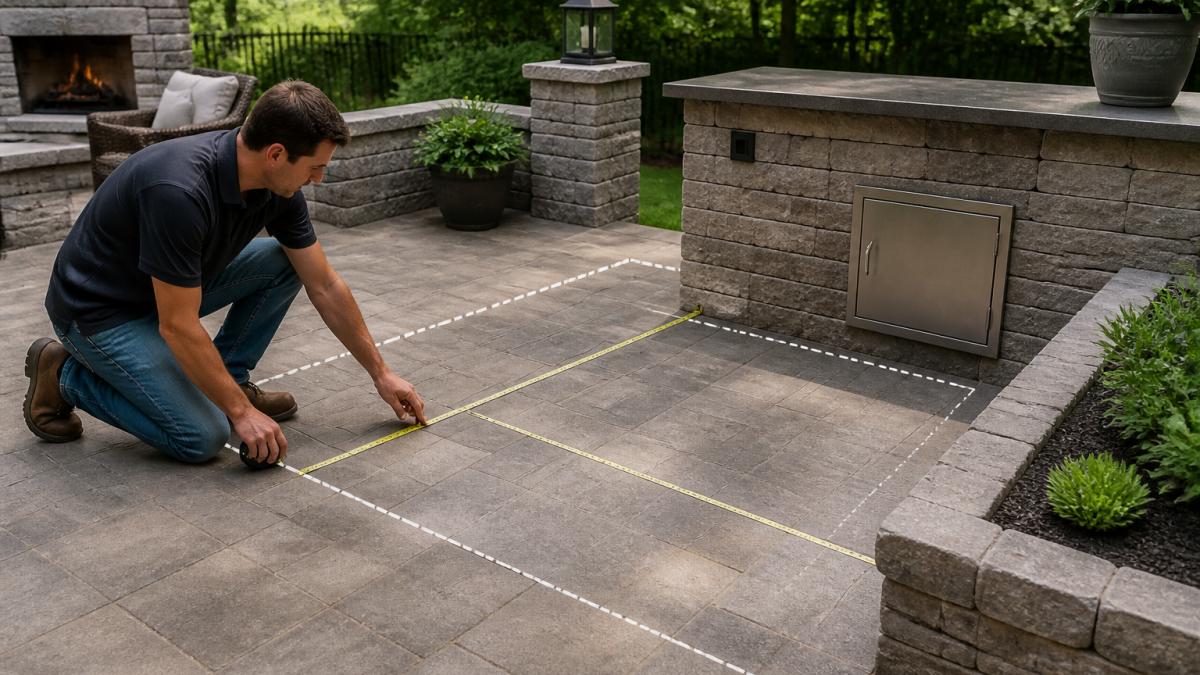
Start by measuring the total length, width, and depth of your available outdoor space. Account for existing structures: your home's exterior wall, deck railings, landscaping, trees, or pool edges. Note where foot traffic naturally flows through the space.
Account for Safety Clearances and Ventilation
This is where most homeowners stumble. A grill's actual footprint is only half the story. You need clearance space around it for safety and proper operation.
Most building codes and manufacturer guidelines require at least 10 feet of clearance from combustible materials, your home's siding, deck railings, fences, or tree branches overhead. Some jurisdictions mandate even more. If you're installing a built-in grill as part of a larger outdoor kitchen island, the requirements often increase.
Ventilation matters for both safety and cooking performance. Grills need airflow to function properly and to safely disperse heat and smoke. A grill wedged into a tight corner or directly against a wall will cook unevenly and create unnecessary heat buildup near your home. Heat distribution depends partly on airflow around the grill, not just inside it.
Plan Your Cooking and Prep Areas
Think beyond just the grill itself. Where will you set down raw ingredients? Where will your guests stand while you cook? How will you move from prep to cooking to plating?
A freestanding grill on a small patio might work, but if you're entertaining regularly, you'll want counter space nearby, ideally on both sides of the grill if your layout allows it. This is why many homeowners eventually upgrade to a built-in grill with an island structure around it. The cooking surface is just the anchor; the surrounding prep area is what makes the space actually functional.
Consider the ergonomics of your workflow. If you're right-handed, do you want your prep space on the left side of the grill or the right? Will you need a side burner for sauces and sides, or is the main cooking surface enough? These details shape whether you'll actually enjoy cooking outdoors or just tolerate it.
Built-In vs. Freestanding Grill: Pros and Cons
The built-in versus freestanding decision is one of the most significant choices you'll make. Each option has real trade-offs that affect your space, budget, and long-term satisfaction.
Built-In Grills
A built-in grill is permanently integrated into an outdoor kitchen island or countertop structure. It's anchored to a foundation, typically surrounded by storage, countertop space, and other appliances.
Pros:
- Creates a cohesive, designed outdoor living space that feels intentional and premium
- Provides surrounding prep and storage space as part of the installation
- Maximizes counter space efficiency; the grill integrates seamlessly rather than taking up standalone footprint
- Better heat distribution and airflow when properly installed into a well-designed island
- Encourages entertaining because the space feels complete and inviting
- Adds perceived value to your home's outdoor living appeal
Cons:
- Higher upfront cost due to the island structure, countertop materials, and professional installation
- Less flexibility if you want to relocate the grill later; it's a permanent fixture
- Requires more careful planning around gas line installation or propane tank placement
- Ongoing maintenance of the surrounding materials (granite, composite wood, stainless steel) adds complexity
- If the grill needs repair, accessing the back or underside is more difficult
Many homeowners find that built-in grills justify their cost because they transform the entire outdoor space into a functional, entertaining destination. The Videl Pacific BBQ Island line, for example, combines a VIDEL Series grill with premium composite wood construction and granite countertops, creating a finished outdoor kitchen that looks intentional and designed.

Freestanding Grills
A freestanding grill sits independently on your patio, deck, or ground. It has its own legs or base and can theoretically be moved (though heavy models make relocation impractical).
Pros:
- Lower upfront cost; you're buying the grill itself without surrounding infrastructure
- Flexibility to reposition if your entertaining needs change or your patio layout evolves
- Easier to install; no custom island construction or gas line routing required
- Simpler maintenance and repairs since the grill is fully accessible
- Works well for smaller spaces or renters who can't make permanent modifications
- Lower commitment if you're uncertain about your outdoor cooking frequency
Cons:
- Lacks surrounding prep and storage space; you'll need a separate side table or cart for ingredients
- Takes up more visual footprint in smaller patios because there's no integrated design
- Less efficient use of space; the grill and prep areas feel disconnected
- Harder to create a cohesive entertaining zone without intentional design around it
- May feel less "finished" or premium compared to a built-in setup
Freestanding grills make sense if your space is genuinely limited, you're renting, or you want to test your commitment to outdoor cooking before investing in a permanent installation.
Determine Your Primary Grilling Needs
What will you actually cook on this grill? This question determines nearly everything else.
Are you grilling weeknight dinners for your family, or hosting regular entertaining for groups of 12 or more? Do you want to smoke low-and-slow, or are you focused on quick searing and direct heat? Will you use the grill year-round, or primarily in warm months?
Casual weeknight grilling, burgers, chicken breasts, vegetables, requires less cooking surface and fewer features than frequent entertaining or serious smoking. A 36-inch grill with 4 burners handles family dinners well.
Your grilling frequency also shapes durability needs. If you're using the grill 2-3 times per week, you need materials and construction that handle regular use. Stainless steel grade matters here, higher-grade stainless resists corrosion and weathering better than lower grades. If you grill occasionally, you have more flexibility, but quality still matters for longevity.
Select Your Fuel Type: Propane, Natural Gas, Charcoal, or Pellet
Your fuel choice affects convenience, cooking style, cost, and the overall experience.
Propane offers convenience and portability. You buy tanks, swap them when empty, and go. Propane works anywhere, no gas line required. It's clean-burning and provides consistent BTU output.
Videl Pacific 112" BBQ Island – Composite Outdoor Kitchen with Granite →
Natural gas requires a dedicated gas line to your grill location, which means professional installation and permanent placement.
Charcoal delivers authentic smoke flavor and high direct heat, beloved by purists and smoking enthusiasts. It requires more skill, attention, and time compared to gas grilling.
Pellet grills use wood pellets for fuel and offer a middle ground between charcoal's flavor and gas's convenience. They provide excellent heat control and can handle smoking, grilling, and roasting.
For most homeowners planning a permanent outdoor kitchen setup, natural gas or propane with a high-BTU grill is the practical choice. The fuel type should match your space constraints and cooking style.
Evaluate Grill Size and Cooking Surface
Grill size is measured by the primary cooking surface diameter or width. Common sizes range from 30 inches to 48 inches, with some specialty models larger.
A 30-36 inch cooking surface handles 4-6 servings comfortably. This works for smaller families or occasional entertaining. A 42-48 inch surface accommodates 8-12 servings and gives you room to manage direct and indirect heat zones simultaneously, essential for serious cooking.
Beyond the main grill, consider whether you need a griddle plate for pancakes and vegetables, or a side burner for sauces. The Videl Maestro 144L BBQ Island, for example, pairs a 42-inch grill with a 30-inch griddle, giving you two distinct cooking surfaces for versatile meal preparation.

BTU output matters, but it's only part of the story. Higher BTU means faster heat generation, but a well-designed grill with moderate BTU and good heat distribution often outperforms a high-BTU grill with poor airflow. Look at the grill's construction, how are the burners positioned?
Plan for Maintenance and Long-Term Durability
Stainless steel grade matters significantly. If you're in a coastal climate or an area with harsh winters, higher-grade stainless is worth the investment.
Ignition systems vary.
Cleaning frequency depends on how often you grill and your climate. Regular cleaning, scraping the grates after each use, wiping down the exterior monthly, extends grill life significantly. If you're in a humid or coastal environment, more frequent maintenance prevents corrosion. A grill cover protects against weather when not in use.
Consider whether replacement parts are readily available. Premium brands with authorized dealers, like those Eternal Flame Outdoors carries, typically have better parts availability and service support than obscure budget brands.
Budget for Quality and Installation
A quality built-in grill with surrounding island structure typically ranges from several thousand dollars to $20,000 or more, depending on size, materials, and additional features like refrigeration or side burners. The Videl Pacific 96" BBQ Island, for instance, combines a 42-inch 5-burner grill with composite wood construction, granite countertop, storage, and a side burner, a complete outdoor kitchen in one integrated unit.

Freestanding grills range from $500 for basic models to $5,000+ for premium brands with excellent construction and warranty support.
Installation costs for built-in grills vary widely. If you're building a custom island from scratch, expect to pay for framing, countertop installation, gas line work, and finishing. If you're placing a built-in grill into an existing structure, costs are lower.
Factor in long-term durability when budgeting. A $3,000 grill that lasts 12 years costs less per year than a $1,200 grill that fails after 4 years. Premium brands with solid warranties and authorized dealer support, like those available through Eternal Flame Outdoors, protect your investment.
Choosing the right outdoor grill for your space isn't just about picking the biggest or most feature-rich model. It's about matching the grill's size, fuel type, and configuration to your actual space constraints, entertaining habits, and long-term durability needs.
At Eternal Flame Outdoors, we help homeowners navigate these decisions with personalized guidance and access to premium grill brands and outdoor kitchen solutions. Whether you're planning a compact freestanding setup or a full outdoor kitchen transformation, our team can help you choose a grill that transforms your space into a place where memories are made. Contact us to explore our outdoor grill collections and discuss your space with our specialists.
Frequently Asked Questions
What size grill do I need for my outdoor space?
The right grill size depends on your cooking frequency and the number of people you typically cook for. For a family of four cooking 2-3 times weekly, a 36-42 inch cooking surface is ideal. If you entertain larger groups regularly, consider a 42-48 inch grill or larger. Measure your available patio space first, ensure at least 3 feet of clearance on all sides for safety and heat management. Smaller patios work well with 30-36 inch grills, while larger outdoor spaces can accommodate 48+ inch models or complete outdoor kitchen islands like the Videl Pacific collection.
Should I choose a built-in or freestanding grill for my backyard?
Built-in grills integrate into outdoor kitchen islands and create a permanent, polished entertainment space, ideal if you plan to stay long-term and cook frequently. They maximize counter and storage space and create a cohesive design. Freestanding grills offer flexibility; you can relocate them, they require no installation, and they suit renters or those uncertain about permanent fixtures. Built-in models work best for dedicated entertaining areas with proper utility access, while freestanding units work anywhere with adequate clearance. Consider your lifestyle, budget, and whether you want a complete outdoor kitchen or a standalone cooking station.
How do I determine the best fuel type for my grilling needs?
Propane offers portability and consistent heat; tanks are easy to refill and replace. Natural gas requires a gas line installation but eliminates refilling and works well for permanent setups. Charcoal delivers authentic smoky flavor but requires more hands-on management and cleanup. Pellet grills provide precise temperature control and versatility for smoking and grilling but need electricity and pellet storage. For frequent entertaining and convenience, propane or natural gas are popular. For flavor-focused cooking, charcoal or pellet grills excel. Consider your cooking style, available utilities, storage space, and how much hands-on involvement you enjoy.
What safety clearances are required for outdoor grills?
Ensure adequate ventilation, never place a grill directly against a wall or under a covered structure without proper venting. Check local building codes and HOA regulations before installation, as requirements vary by location. Keep propane tanks on level ground away from the grill's heat zone, and maintain clear pathways around your cooking area for safe movement while grilling.


Leave a comment
This site is protected by hCaptcha and the hCaptcha Privacy Policy and Terms of Service apply.