

Outdoor Pizza Oven Review & Buying Guide 2026
Table of Contents
- What Makes a Great Outdoor Pizza Oven
- Wood-Fired vs. Gas Pizza Oven: Which Is Right for You
- Outdoor Pizza Oven Installation Requirements
- Top Outdoor Pizza Oven Models for 2026
- Luxury Outdoor Kitchen Design Ideas
- Maintenance, Durability, and Long-Term Care
- Conclusion
- Frequently Asked Questions
Last Updated: October 2, 2026
What Makes a Great Outdoor Pizza Oven
A truly great outdoor pizza oven combines three critical elements: heat retention, cooking surface quality, and temperature consistency. These factors determine whether you'll produce authentic, wood-fired-style pizzas with crispy crusts or struggle with uneven baking and temperature swings. Understanding what separates premium ovens from basic models helps you make an informed investment in your outdoor entertaining space.

Heat Retention and Thermal Mass
Thermal mass is the foundation of pizza oven performance.
A well-designed dome shape amplifies this benefit by reflecting heat downward and around your pizza, creating the intense, all-around warmth that produces signature leopard-spotted crusts.
The thicker your oven's walls and the denser your cooking surface, the longer it holds heat after you stop firing.
Cooking Surface and Capacity
Cooking surface area determines how many pizzas you can prepare simultaneously. A 16-inch cordierite base accommodates standard family-size pizzas while allowing rotation for even baking, while larger surfaces (18-20 inches) suit spaces where you're feeding groups regularly.
Cordierite stone distributes heat uniformly and resists thermal shock, the cracking that occurs when temperature changes rapidly, ensuring durability across seasons and weather conditions.
Temperature Recovery and Consistency
Temperature recovery, how quickly your oven rebounds to cooking heat after loading a cold pizza, separates premium ovens from budget models.
When hosting a dinner party and rotating pizzas every 90 seconds, inconsistent recovery means some pizzas bake perfectly while others undercook or scorch.
Wood-Fired vs. Gas Pizza Oven: Which Is Right for You
The fuel source you choose shapes your entire cooking experience, from startup time to flavor profile to maintenance demands. Both approaches deliver excellent results, but they serve different priorities.
Wood-Fired Advantages and Trade-Offs
Wood-fired ovens deliver authentic flavor through complex smoke compounds that infuse your crust and toppings with depth you cannot replicate with gas, a non-negotiable advantage for many pizza enthusiasts.
Seasoned hardwood is essential; green or unseasoned wood produces excessive smoke and creosote buildup.
Gas-Fired Advantages and Trade-Offs
Gas-fired ovens prioritize convenience and consistency: instant ignition, 10-15 minute preheat, precise temperature control, no wood storage or ash, and weather-independent operation.
This appeals to busy homeowners wanting restaurant-quality results without operational complexity, and gas ovens' compact size suits smaller patios where wood-fired units would dominate.
The trade-off: gas cannot replicate wood smoke flavor, and you're dependent on propane or natural gas infrastructure and fuel supply.
Fuel Efficiency and Cost Per Pizza
Gas ovens win decisively on fuel efficiency: a single propane tank typically lasts through dozens of pizzas, often an entire entertaining season for casual users.
Wood consumption depends on management style, with efficient firing using 8-15 pounds per hour and costs accumulating over a season of regular use.
Outdoor Pizza Oven Installation Requirements
Installation complexity separates impulse purchases from realistic projects. Understanding space needs, foundation requirements, and whether you want portability shapes your entire buying decision.
Space and Clearance Considerations
Building codes typically require 3-10 feet clearance from combustible materials, with gas ovens having less stringent requirements than wood-fired units.
A premium gas pizza oven with surrounding counter space occupies roughly 8x8 feet, while wood-fired ovens need additional clearance for ash management and smoke dispersal.
Foundation and Ventilation
Proper foundation is non-negotiable: your oven cannot rest on standard patio pavers. Professional installations use reinforced concrete pads, typically 4-6 inches thick, with proper drainage.
Gas ovens need adequate airflow but minimal chimney infrastructure, while wood-fired ovens demand proper chimney height (typically 12-16 feet above the cooking surface) to create adequate draft and prevent smoking and creosote accumulation.
Portability vs. Permanent Installation
Portable ovens on wheeled bases with locking swivel casters appeal to renters and homeowners who might relocate, suiting smaller properties or evolving outdoor layouts.
Choose permanent installation if you envision your pizza oven as a long-term centerpiece; prioritize portability if flexibility matters.
Top Outdoor Pizza Oven Models for 2026
Premium ovens dominate the market because they deliver consistent results and withstand seasonal weather. These models represent the current standard for serious home entertaining.
Premium Gas-Fired Option: Videl Outdoor Oven I
The Videl Outdoor Oven I sets the standard for gas-fired performance, reaching temperatures up to 900°F for authentic crust blistering and leopard spotting in minutes.

The high-performance gas burner delivers precise temperature control and stable cooking environment, while the cordierite pizza stone ensures consistent heat distribution and rapid temperature recovery between pizzas.

Its versatility for bread baking, roasted vegetables, seafood, and desserts makes it a sophisticated outdoor kitchen centerpiece, with sleek contemporary design complementing modern and traditional patios.
Sophisticated All-Around Choice: Blackstone Select Pizza Oven
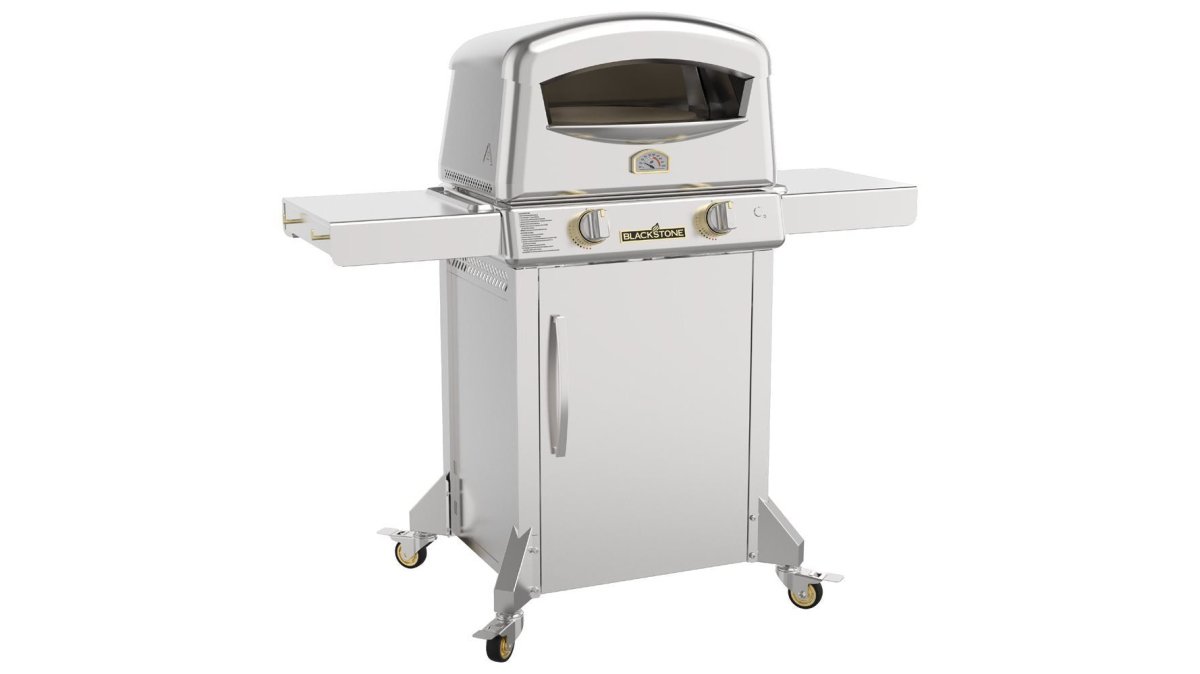
The Blackstone Select Pizza Oven combines gas-fired reliability with premium craftsmanship. Its patented 2-Stone® Technology pairs a radiant top stone with a rotating 16-inch cordierite base for flawless heat distribution and consistently golden-crusted pizzas.
Practical details matter: a soft-close propane storage cabinet hides your fuel tank, dual side shelves provide prep space, and a perforated pizza peel stores neatly in its own built-in holster.
Blackstone Select Pizza Oven →
This oven suits homeowners who want restaurant-quality results with premium design, reliable performance, and thoughtful engineering.
Luxury Outdoor Kitchen Design Ideas
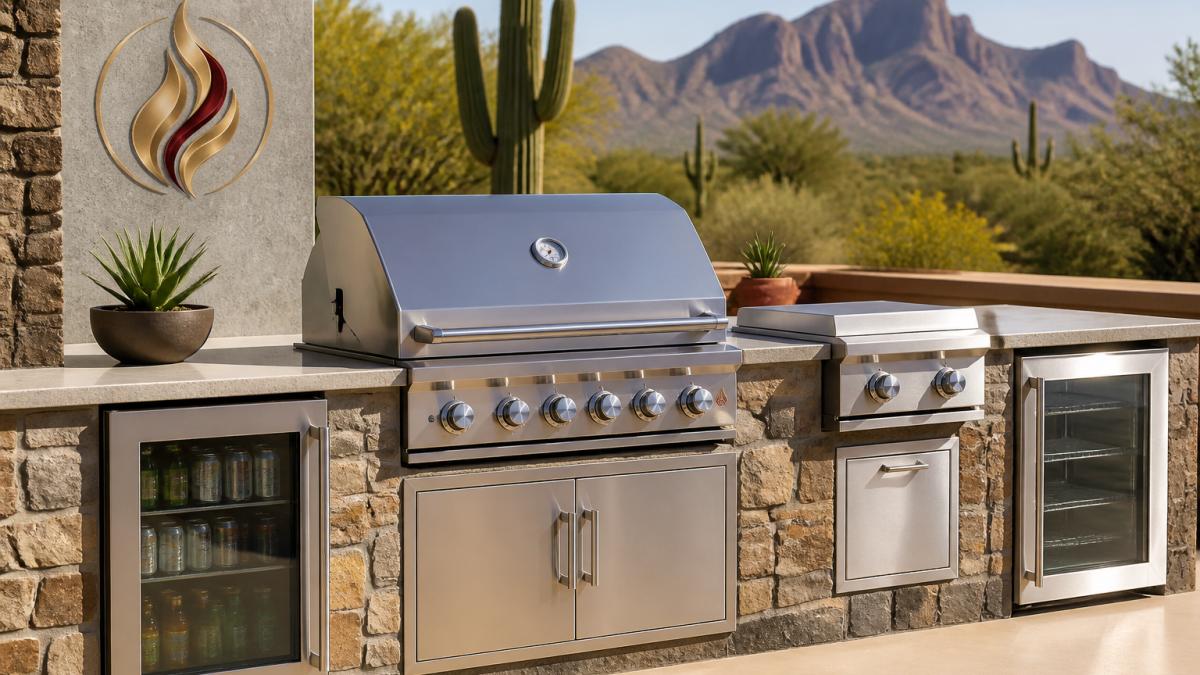
An outdoor pizza oven isn't an isolated appliance, it's the anchor of a complete entertaining space. Thoughtful design integrates your oven into a cohesive outdoor kitchen that functions beautifully and reflects your lifestyle.
Integrating Your Pizza Oven Into the Layout
Central placement makes your pizza oven the visual and functional focal point.
Counter placement matters. Your oven should sit at a height that minimizes bending and strain, typically 36-42 inches above grade.
Consider traffic flow. Your pizza oven shouldn't interrupt the path between kitchen and seating.
Shade is underrated.
Accessories and Supporting Appliances
Complementary equipment transforms a pizza oven into a full outdoor kitchen.
Storage solutions keep your space organized. Built-in cabinetry for pizza peels, serving utensils, and wood storage (if wood-fired).
The Broil King 15" Pizza Stone complements your oven setup, enabling pizza baking on adjacent grills if desired. Its ceramic-composite construction resists thermal cracking and moisture absorption, essential for durability in outdoor conditions.
Seating defines the space. Comfortable, weather-resistant seating arranged to face your oven creates an entertainment hub.
Maintenance, Durability, and Long-Term Care
Premium ovens demand thoughtful maintenance to preserve performance and appearance across seasons. Understanding what's required prevents costly repairs and extends your investment's lifespan.
Weather-Resistant Materials and Weatherproofing
Protective covers extend durability. During off-season months, a fitted cover shields your oven from rain, snow, and UV exposure.
Sealants matter for wood-fired ovens. The exterior mortar and dome require periodic inspection. Cracks allow water penetration, which freezes in winter and expands, accelerating damage.
Cleaning and Routine Maintenance
Gas ovens require minimal maintenance. After each use, brush ash from the cooking surface.
Wood-fired ovens demand more attention. Remove ash after each use, accumulated ash insulates the oven floor, reducing heat transfer.
For both types, wipe the exterior with appropriate cleaner for your material.
Troubleshooting Common Issues
Uneven cooking usually indicates inadequate preheating or poor oven placement.
Excessive smoking in wood-fired ovens points to wet wood, insufficient chimney draft, or blocked vents.
Temperature fluctuations in gas ovens suggest burner issues or regulator problems.
Rust spots on stainless steel often result from contact with iron tools or contaminated water.
Conclusion
Selecting an outdoor pizza oven requires balancing fuel type, installation logistics, and your entertaining priorities. Gas-fired models like the Videl Outdoor Oven I and Blackstone Select Pizza Oven deliver consistent, convenient results backed by premium engineering. Wood-fired alternatives offer authentic flavor and ritual for those willing to manage the operational complexity.
At Eternal Flame Outdoors, we specialize in curating premium outdoor living solutions and providing expert guidance to match you with the right oven for your space and lifestyle.
Explore our collection of premium pizza ovens and accessories, or contact our team for personalized guidance on transforming your outdoor space into an inspiring, functional entertaining destination.
Frequently Asked Questions
What should I look for when buying an outdoor pizza oven?
Prioritize heat retention through cordierite stone or ceramic construction, which provides consistent thermal mass and even cooking. Look for temperature recovery speed, how quickly the oven rebounds after opening the door. Consider the cooking surface area (diameter matters for pizza size), insulation quality, and construction materials like stainless steel for durability. Check whether the model reaches your target temperature (typically 700-900°F for pizzas), offers airflow control for heat management, and includes essential accessories like a pizza peel. Finally, verify installation requirements and whether the oven fits your space and entertaining needs.
Are wood-fired or gas outdoor pizza ovens better?
Neither is universally better, it depends on your priorities. Wood-fired ovens deliver authentic flavor, create visual ambiance, and require no gas connection, but demand more active management, longer preheat times, and ongoing fuel sourcing. Gas-fired ovens offer convenience, faster heat-up, precise temperature control, and lower maintenance, making them ideal for frequent entertaining. Wood-fired suits those who value tradition and don't mind hands-on cooking; gas suits homeowners prioritizing ease and consistency. Many luxury outdoor kitchens now feature both for maximum versatility.
Do outdoor pizza ovens require permanent installation?
Not always. Many modern pizza ovens come with locking swivel casters and soft-close propane cabinets, allowing portability within your yard. However, permanent installation on a concrete foundation is recommended for stability, safety, and optimal performance. If you choose a freestanding model with casters, ensure the ground is level and firm. Gas ovens typically integrate into outdoor kitchen countertops for a built-in look, while some wood-fired models can function as standalone units. Consult installation guidelines and local codes, some jurisdictions require professional installation for gas-fired appliances.
How much space do I need for an outdoor pizza oven?
Most pizza ovens require a minimum 12-foot clearance from structures and vegetation to ensure safe operation and proper ventilation. Account for the oven's footprint (typically 3-5 feet wide), surrounding counter or prep space, and room for guests to gather. A 12x15-foot patio can accommodate a pizza oven with careful layout planning, but larger spaces allow for better flow and a more luxurious entertaining area. Consider sight lines, wind patterns, and how the oven relates to other outdoor kitchen elements like grills and seating zones.
Can an outdoor pizza oven be used for cooking other foods?
Yes. Beyond pizzas, outdoor pizza ovens excel at roasting meats and vegetables, baking artisan breads, cooking seafood, and even preparing casseroles and gourmet desserts. The high, even heat and thermal mass make them versatile cooking tools. Wood-fired and gas ovens both support diverse menus, the key is understanding temperature zones within the oven and using proper cookware or placement techniques. Many homeowners find this versatility justifies the investment, transforming the pizza oven into the centerpiece of their entire outdoor cooking experience.


Leave a comment
This site is protected by hCaptcha and the hCaptcha Privacy Policy and Terms of Service apply.