
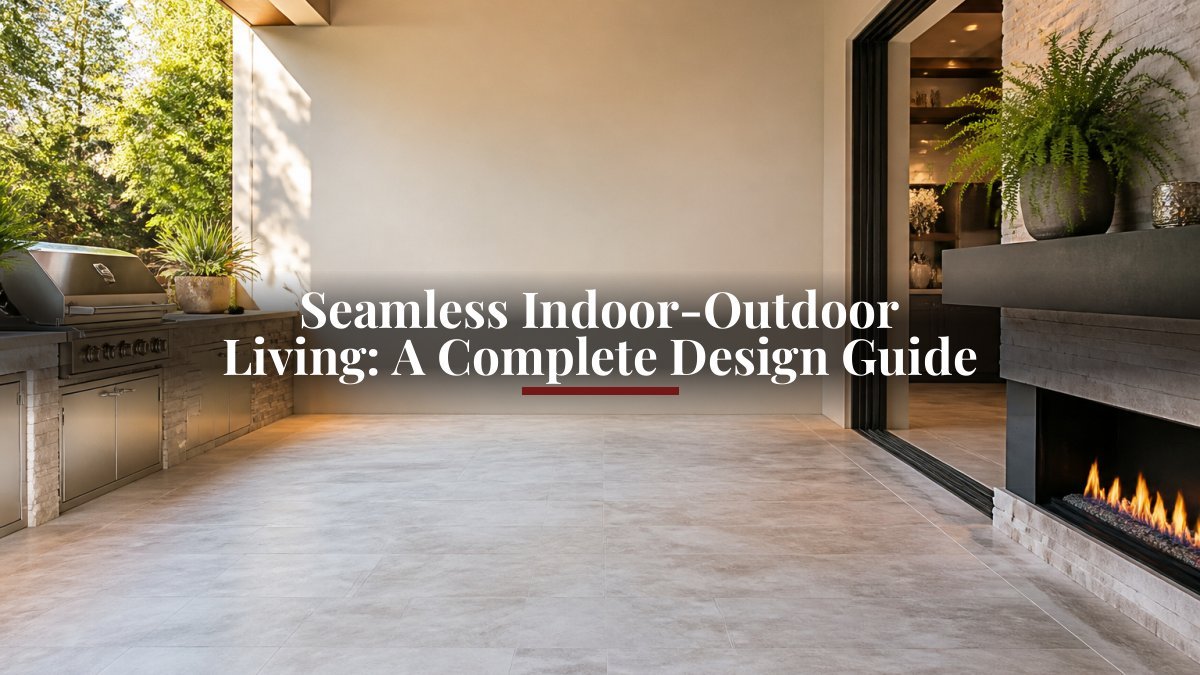
Seamless Indoor-Outdoor Living: A Complete Design Guide
Table of Contents
- What Is Seamless Indoor-Outdoor Living?
- Key Elements of Indoor-Outdoor Connection
- Creating a Seamless Indoor-Outdoor Transition
- Small Patio Design Ideas for Connected Living
- Patio Lighting Ideas to Extend Your Living Space
- Outdoor Fire Pit Design as a Year-Round Gathering Hub
- Planning, Permits, and Structural Considerations
- Maintenance and Long-Term Durability
- Frequently Asked Questions
Last Updated: October 8, 2026
What Is Seamless Indoor-Outdoor Living?
Seamless indoor-outdoor living is a design philosophy that blurs the boundary between interior and exterior, creating a unified environment where you move fluidly between inside and outside.
At its core, this approach uses architectural elements, continuous materials, and thoughtful design to make the transition effortless.
The appeal isn't just aesthetics. Homeowners gain usable square footage, improved natural light, better ventilation, and flexible spaces that adapt to how they live.
Key Elements of Indoor-Outdoor Connection
Creating a true indoor-outdoor connection requires several design fundamentals working together. Each element serves functional and aesthetic purposes, and overlooking even one can break the seamlessness you're after.
Large-Format Doors and Glass
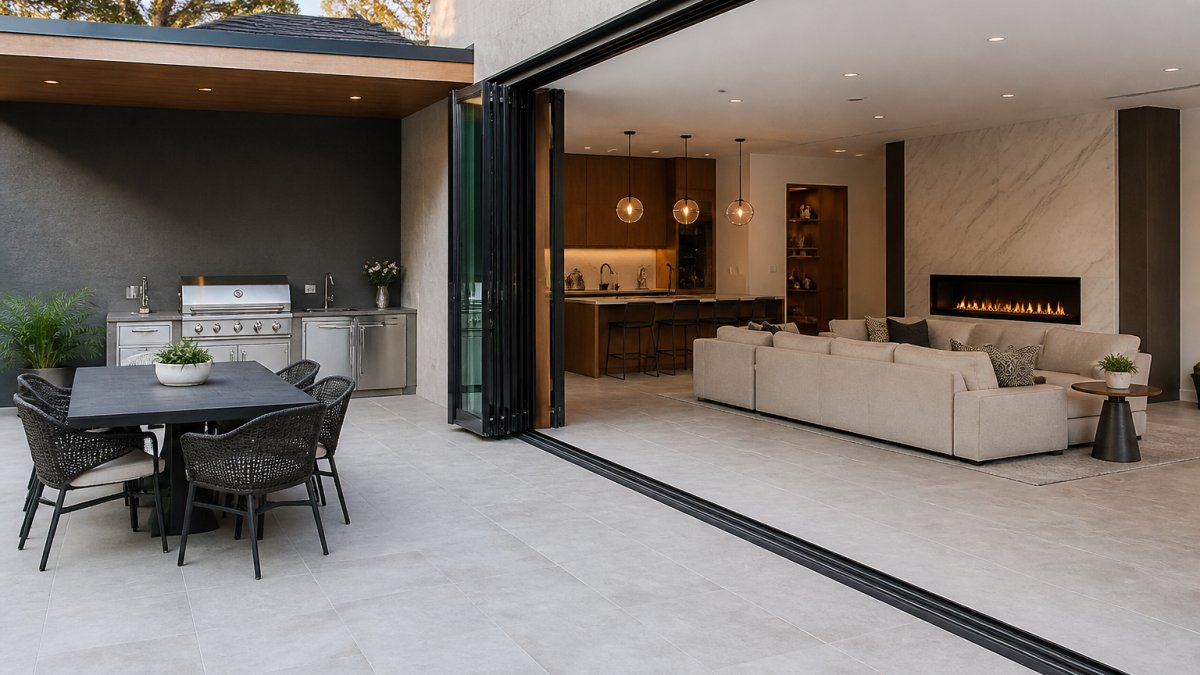
The most visible element of seamless indoor-outdoor living is the threshold itself. Large-format doors, whether sliding glass doors, bi-fold systems, or stacking glass walls, create visual transparency and physical access that makes the transition feel natural.
Bi-fold doors fold completely to the side, eliminating visual obstruction when opened. Sliding glass systems offer a sleeker profile and need less swing space, ideal for tighter layouts.
The glass itself matters too.
Continuous Flooring and Durable Surfaces
One of the most underrated elements of seamless indoor-outdoor living is flooring continuity.
Porcelain paving has become the material of choice for this reason. It's available in formats matching interior tile sizes, comes in colors and finishes that coordinate with indoor palettes, and performs beautifully outdoors.
The threshold itself should be minimal or flush. A tall step creates a visual and physical barrier that undermines the seamless effect; modern threshold designs are nearly imperceptible.
Natural Light and Views
Large windows and glass doors flood your interior with natural light, improving the space psychologically and creating a visual connection to the outdoors. Strategic placement, particularly in kitchens and living areas, frames views of your garden, patio, or water features as living artwork.
Skylights and clerestory windows add another dimension, bringing light deep into interior spaces and drawing the eye upward and outward. This layering of light sources makes the transition between inside and outside feel more gradual.
Creating a Seamless Indoor-Outdoor Transition
The transition zone between interior and exterior is where seamless indoor-outdoor living succeeds or fails. Thoughtful design details here determine whether the spaces feel connected or disconnected.
Threshold Design and Accessibility
The physical threshold deserves careful attention. A high step or pronounced edge creates both a visual barrier and a practical inconvenience, especially when moving furniture, entertaining guests, or accommodating mobility considerations.
Modern threshold design minimizes height differences.
For accessibility, a truly seamless transition means no more than a quarter-inch height difference. This accommodates wheelchairs, walkers, and rolling furniture while maintaining the visual continuity that defines the design approach.
Climate Control and Year-Round Comfort
Seamless indoor-outdoor living doesn't mean ignoring weather. Strategic shade, wind protection, and temperature control extend your outdoor living season and make the spaces more comfortable.
Pergolas, shade structures, and retractable awnings provide sun protection while maintaining openness. Wind screens and strategic landscaping buffer harsh conditions without creating visual barriers.
The True Flame Kalea Bay Outdoor Linear Fireplace with LED lights, available at Eternal Flame Outdoors, exemplifies how outdoor heating can become a design focal point.
Small Patio Design Ideas for Connected Living
Not every home has a sprawling backyard. Small patios present design challenges, but they're also opportunities to maximize every square foot through thoughtful planning.
Start by defining zones. A small patio might combine dining, seating, and entertaining in one compact area.
Material choices matter more in small spaces. Continuous porcelain paving makes a small patio feel larger by eliminating visual breaks.
Consider how your patio connects to interior views.
Patio Lighting Ideas to Extend Your Living Space
Lighting transforms outdoor spaces from daytime-only zones into functional areas you can enjoy morning, afternoon, and evening.
Layered lighting works best. Overhead options, pendant lights, string lights, or recessed fixtures, provide general illumination.
Videl Pacific 112" BBQ Island – Composite Outdoor Kitchen with Granite →
Warm-toned lighting (2700K color temperature) feels more inviting and complements most outdoor materials. Dimmers let you adjust intensity, from bright entertaining to soft ambient evening atmosphere.
Consider how lighting interacts with your glass doors and windows.
Outdoor Fire Pit Design as a Year-Round Gathering Hub
Fire pits and outdoor fireplaces serve a dual purpose in seamless indoor-outdoor living: they provide warmth that extends your season and create a natural gathering point that encourages people to spend time outdoors.
A well-designed fire feature anchors your outdoor entertaining space.
Modern outdoor fire features offer flexibility. Linear fireplaces like the True Flame Kalea Bay provide architectural impact and clean lines that complement contemporary design, while traditional fire pits offer rustic charm and intimate gathering spaces.
Planning, Permits, and Structural Considerations
Before committing to seamless indoor-outdoor living, understand the practical requirements. This approach often involves structural modifications that require permits and professional guidance.
Large glass door systems need proper structural support.
Permits vary by location, but modifications to exterior walls, structural changes, and electrical work (for outdoor lighting or heating) typically require approval.
Flooring transitions require coordination between interior and exterior contractors.
Maintenance and Long-Term Durability
Seamless indoor-outdoor living requires materials that perform outdoors while maintaining the aesthetic that defines the approach. The right question isn't whether a material needs maintenance, but how much, how often, and how it ages.
Comparing Upkeep Across Common Materials
| Material | Typical upkeep | Long-term behavior |
|---|---|---|
| Porcelain paving | Periodic cleaning; sealing of grout joints | Resists UV fading, low water absorption, stable appearance |
| Natural stone paving | Regular sealing; more frequent cleaning | Varies by stone; can stain, etch, or shift in tone |
| Wood decking | Annual cleaning and re-oiling or staining | Requires refinishing; susceptible to moisture and UV |
| Composite decking | Periodic cleaning | Resists rot and insects; may fade or chalk over time |
| Glass doors and glazing | Regular cleaning; hardware lubrication | Coatings reduce spotting; seals and rollers wear and need service |
| Outdoor-rated fabrics | Cleaning per manufacturer guidance | Solution-dyed fabrics resist fading better than printed ones |
Porcelain paving outperforms natural stone for this reason. It resists UV fading, absorbs very little water (limiting freeze-thaw damage), and maintains a consistent appearance over time. Sealing grout joints protects against staining and moisture penetration.
Glass doors and windows need regular cleaning to maintain the visual clarity that makes seamless transitions work. Modern coatings reduce water spotting, but hardware, tracks, and weather seals are what actually wear.
Climate Control, Insulation, and Energy Use
A large glass wall changes how a home heats and cools. The glazing, shading, and ventilation strategy you choose determines whether your seamless space is comfortable year-round or a seasonal liability.
- Glazing performance. Look for low-emissivity (low-E) coatings and insulated glass units, which reduce heat transfer compared with single-pane glass. In cooling-dominated climates, a lower solar heat gain coefficient limits how much sun-driven heat enters.
- Thermal breaks. Metal door frames conduct heat and cold. Frames with a thermal break interrupt that path, reducing condensation and improving comfort near the glass.
- Shading. Overhangs, pergolas, and exterior shades block summer sun before it reaches the glass, while still admitting lower winter sun. This is often more effective than interior blinds, which stop light after the heat has already entered.
Extending the Season with Fire Features
Comfort across seasons isn't only about keeping heat out. Outdoor heating extends the usable months of a seamless space, and it's where Eternal Flame Outdoors' expertise is most relevant.
Fire pits, fire tables, and outdoor fireplaces create warmth and a natural gathering point that anchors the outdoor zone.
For lower-maintenance options, electric fireplaces such as the Modern Flames Landscape Pro Slim Built-In Electric Fireplace eliminate ash, creosote, and wood storage concerns while providing reliable ambiance. For outdoor kitchens, the Videl Pacific BBQ Islands combine commercial-grade materials with thoughtful design; their composite construction resists weather damage.
A Simple Maintenance Rhythm
Most seamless spaces benefit from a predictable routine:
- Seasonally: clean paving and glass, inspect door hardware and seals, check drainage paths before the rainy season.
- Annually: service fire features and outdoor kitchen components per manufacturer guidance, reseal stone or grout as needed, and review any shade structures or awnings for wear.
- As needed: address chips, loose joints, or drainage issues promptly, since small water problems at a flush threshold become interior problems quickly.
Choosing materials for how they age, not just how they look on day one, keeps a seamless space feeling seamless years later.
Frequently Asked Questions
What does seamless indoor-outdoor living actually mean?
Seamless indoor-outdoor living refers to designing your home so that interior and exterior spaces flow together visually and functionally, blurring the boundary between inside and outside. This involves using matching flooring materials, large glass doors or windows, consistent sightlines, and integrated entertaining areas that extend your living space beyond your walls. The goal is to create one cohesive environment where you can move freely between climate-controlled indoor comfort and open-air outdoor entertaining without visual or functional interruption.
How do you create a seamless indoor-outdoor transition in a small space?
In smaller patios, focus on visual continuity rather than square footage. Use the same flooring material (such as porcelain paving) both indoors and outdoors to create a continuous line. Install large sliding or bi-fold doors that fully open to eliminate barriers. Keep sightlines clear by avoiding clutter, and use consistent color palettes between your interior and patio. Even a 12x15-foot patio can feel connected and spacious when the transition is smooth and unobstructed. Lighting also plays a key role in making small spaces feel larger and more integrated.
What flooring works best for indoor-outdoor transitions?
Porcelain paving and natural stone are the most durable choices for outdoor flooring that complements indoor materials. Porcelain is weather-resistant, slip-resistant when properly finished, and available in finishes that match interior tile. It resists UV fading, rain, humidity, and temperature swings without requiring extensive maintenance. Natural stone offers similar durability with a warmer aesthetic. Both materials can be used indoors and outdoors, creating true visual continuity. Avoid materials that trap moisture or deteriorate quickly under sun exposure.
How can a fire feature extend outdoor living into cooler months?
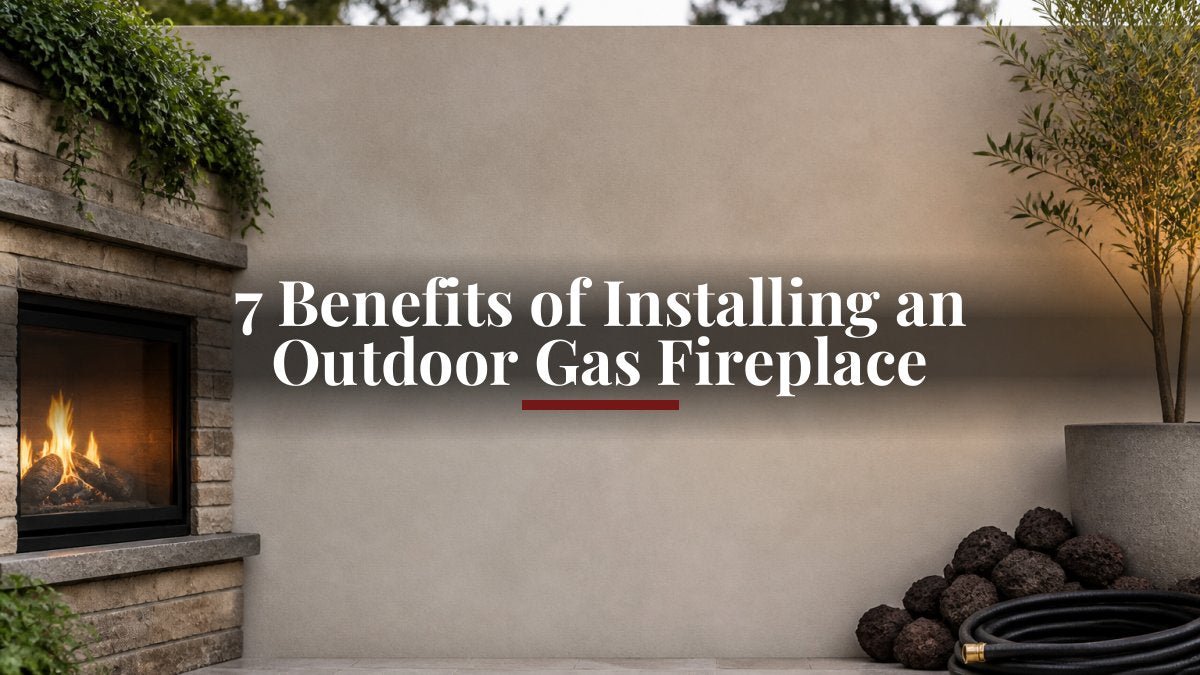
A fire pit or outdoor fireplace transforms your patio into a year-round gathering space by providing warmth and ambiance when temperatures drop. Linear fireplaces like the True Flame Kalea Bay create a focal point that draws people outdoors even in fall and winter. The combination of heat, flame, and light makes your outdoor entertaining area feel as inviting as your indoor great room. Fire features also extend your evening entertaining hours, allowing you to host gatherings well into the night when outdoor temperatures would otherwise limit comfort.
Do I need permits to add large doors or create an indoor-outdoor space?
Most jurisdictions require permits for structural changes like installing large sliding or bi-fold doors, especially if they affect load-bearing walls or require changes to the building envelope. Permits ensure the work meets local building codes for safety, insulation, and weather resistance. If you're adding a patio or outdoor kitchen, permits may be required depending on the scope. We recommend consulting with a local building department or a contractor familiar with your area's requirements before starting your project. Proper permitting protects your investment and ensures your space is safe and compliant.
What's the difference between electric and gas fireplaces for outdoor spaces?
Gas fireplaces provide a real flame and operate independently of electricity, making them ideal for true outdoor installations where power may not be readily available. Electric fireplaces like the Modern Flames Landscape Pro Slim offer clean, flameless ambiance with no venting required and are often better suited for covered patios or semi-outdoor spaces. Gas fireplaces deliver more heat and a traditional flame experience, while electric models provide visual impact with lower maintenance and easier installation in spaces closer to your home's interior.
How do outdoor kitchens enhance seamless indoor-outdoor living?
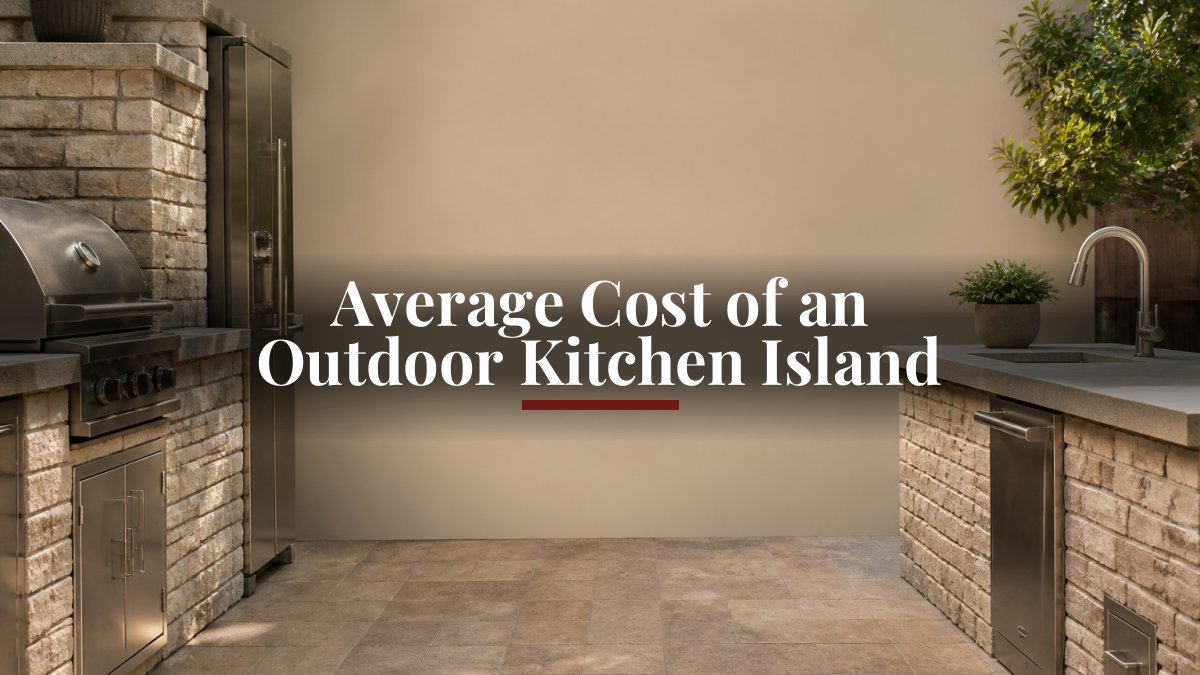
An outdoor kitchen extends your entertaining and cooking capabilities outdoors, eliminating the need to run back inside during gatherings. A complete outdoor kitchen with grilling, prep space, storage, and refrigeration (like the Videl Pacific BBQ Island) keeps you and your guests engaged in one cohesive entertaining zone. This reduces traffic between indoor and outdoor spaces and makes hosting feel effortless. The kitchen becomes a functional hub that encourages people to spend more time outdoors, whether you're preparing meals or simply gathering around the cooking area.

Leave a comment
This site is protected by hCaptcha and the hCaptcha Privacy Policy and Terms of Service apply.