
Choose the Best Outdoor Fireplace for Cold Climates
Table of Contents
- Understanding Outdoor Fireplace Types for Cold Climates
- Gas vs Wood Outdoor Fireplace: Which Performs Better in Winter
- Outdoor Fireplace Materials for Cold Weather Durability
- Heat Output and Winter Performance Metrics
- Outdoor Fireplace Placement and Safety in Cold Climates
- How to Winterize an Outdoor Fireplace
- Selecting the Right Size and Style for Your Space
- Frequently Asked Questions
Last Updated: October 12, 2026
Understanding Outdoor Fireplace Types for Cold Climates
Choosing the best outdoor fireplace for cold climates requires understanding how fuel types and construction methods perform when temperatures drop, since an outdoor fireplace cold climates demands different considerations than milder regions. The right choice depends on your climate intensity, fuel availability, and how you want to use the space.
Cold-climate outdoor fireplaces face unique challenges: freeze-thaw cycles damage materials, wind strips away heat, and fuel performance changes in low temperatures. A fireplace that works beautifully in mild weather may underperform in harsh winters.
Wood-Burning Fireplaces
Wood-burning fireplaces deliver authentic ambiance and reliable heat, but demand more from both the fireplace and the homeowner in cold climates. Combustion generates intense, radiant heat, often the most effective way to warm an outdoor seating area when temperatures plummet.
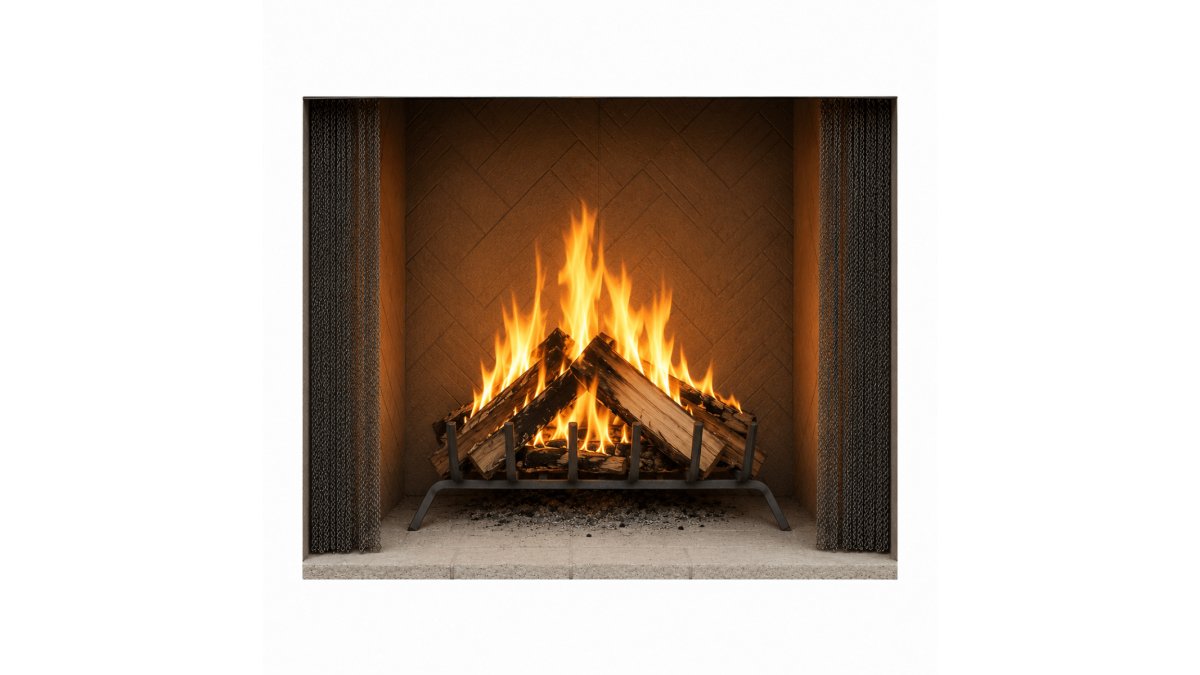
The challenge in cold weather is draft and airflow. Cold air is denser and moves differently through the chimney system, and in freezing conditions moisture can condense inside the flue and refreeze, blocking airflow. That's why fully insulated fireboxes and heavy-gauge chimney systems matter. The Superior Paneled Wood Fireplace WRE3000 Series features stainless steel construction and adjustable outside air dampers.

Wood storage and seasoning also become critical. Wet or green wood produces excessive smoke, creosote buildup, and poor heat output, so you'll need a covered storage area to keep wood dry.
Gas and Propane Fireplaces
Gas and propane fireplaces eliminate the fuel storage and maintenance burden. They ignite instantly, provide consistent heat, and produce no creosote or ash, a major advantage in cold climates.
The trade-off is that gas fireplaces deliver less radiant heat than wood-burning models. They warm through convection and direct flame radiation, which works well for small to medium seating areas but may not heat a large patio as effectively.
Gas fireplaces require either a natural gas line or propane tank storage. Natural gas is convenient if your home already has service, but propane tanks need refilling and occupy patio space. The Amantii Sierra Flame Tahoe 45" Outdoor Direct Vent Linear Gas Fireplace delivers 40,500 BTU with electronic ignition and remote control, ideal for homeowners prioritizing convenience.
Gas vs Wood Outdoor Fireplace: Which Performs Better in Winter
This comparison cuts to what matters most in cold climates: heat delivery, reliability, and year-round usability.
Wood-burning fireplaces generate superior radiant heat. A large wood fire can deliver sustained warmth across a 20-foot seating area, and the flames provide psychological warmth gas cannot match. In deep winter, the authentic experience and the ability to adjust heat intensity by managing the fire are often valued.
Gas fireplaces offer dependable, controllable heat with zero maintenance. Turn them on, adjust the flame, and enjoy consistent warmth without tending a fire. In extreme cold, gas ignites reliably (propane performs best above -40°F), with no draft failure or creosote buildup.
The practical difference in cold climates:
- Wood: Requires covered storage, regular maintenance, and skill to operate in freezing conditions. Delivers maximum heat but demands effort.
- Gas: Minimal maintenance, instant operation, and consistent performance. Less intense heat but highly reliable.
For regular winter use, wood-burning fireplaces often win on heat and experience. For convenience and year-round reliability, gas is the stronger choice. Many premium installations use both: a wood fireplace as centerpiece with a gas option for cold nights when you want heat without the labor.

Outdoor Fireplace Materials for Cold Weather Durability
Material selection determines how well your fireplace survives freeze-thaw cycles, salt exposure, and temperature swings. A fireplace that looks stunning in autumn can deteriorate rapidly in winter if built from the wrong materials.
Stainless steel is the gold standard for an outdoor fireplace in cold climates. 304-grade stainless resists corrosion, handles thermal stress from rapid temperature changes, and won't rust when exposed to snow and ice. The Superior Paneled Wood Fireplace WRE4500 Series uses appliance-grade stainless steel specifically because it performs in harsh outdoor conditions.
Powder-coated steel works well in moderate climates but struggles with heavy snow, salt air, or frequent freeze-thaw cycles. The coating can chip or peel under ice and thermal stress, exposing bare steel. If you choose it, ensure it's rated for outdoor use.
Cast iron and traditional masonry have historical appeal but present challenges in cold weather. However, masonry fireplaces with proper insulation and drainage (like the 42" Cottagewood Outdoor Wood Fireplace) can perform well with cold-climate considerations.
Refractory firebrick inside the firebox is essential. These specialized bricks withstand extreme heat and thermal cycling. In cold climates, ensure the firebox is fully insulated, this reduces heat loss through the walls and protects the structure from freeze-thaw damage.
Heat Output and Winter Performance Metrics
Heat output matters in cold climates, but it's often misunderstood. BTU (British Thermal Units) measure energy released, but not all that energy reaches your seating area. Radiant heat from flames warms people directly; convective heat warms the air around the fireplace.

A wood-burning fireplace can deliver 15,000-30,000 BTU of usable radiant heat to a seating area, depending on size and design. Gas fireplaces typically range from 30,000-65,000 BTU, but much of that is convective heat that dissipates into open air.
For practical winter use, consider the size of your seating area. A small patio (under 150 square feet) needs less heat; a large entertaining space benefits from higher BTU output. The True Flame Kalea Bay Outdoor Linear Fireplace with LED Lights offers configurable sizes from 36" to 72", with heat output from 31,000 to 65,000 BTU, letting you match capacity to your space.
Wind exposure cuts effective heat output dramatically. A fireplace in a sheltered corner delivers far more usable warmth than one in an open, windy location. Windbreaks (walls, landscaping, or screens) can increase perceived warmth by 20-30%.
Elevation and humidity also affect performance.
42" Castlewood Outdoor Wood Fireplace →
| Fireplace Type | Typical BTU Range | Best For | Cold-Climate Advantage |
|---|---|---|---|
| Wood-Burning (large) | 15,000-30,000 radiant | Maximum warmth, ambiance | Intense, sustained heat |
| Gas (linear) | 30,000-65,000 total | Convenient, consistent heat | Reliable ignition, adjustable flame |
| Wood-Burning (compact) | 8,000-15,000 radiant | Smaller patios | Lower maintenance than large models |
| Propane (portable) | 20,000-40,000 | Flexibility, easy installation | Quick setup, no permanent venting |
Outdoor Fireplace Placement and Safety in Cold Climates
Where you position your fireplace determines both safety and performance. Cold climates introduce specific placement challenges: snow accumulation, ice hazards, and wind tunneling.
Clearance requirements don't change in winter, but snow complicates them. Building codes typically require specific clearances above the fireplace opening and from combustible materials (wood siding, deck railings, tree branches). In heavy-snow climates, add overhead clearance because snow can accumulate on the roof and slide down.
Wind exposure affects both heat and safety. A fireplace in a wind tunnel loses efficiency and becomes harder to control, while a sheltered location (against a wall, between structures) performs better and feels warmer. Ensure wind protection doesn't trap smoke or reduce necessary draft.
Ground stability matters in freeze-thaw cycles. A fireplace on a concrete pad that heaves or cracks during winter can shift, damaging the structure and creating safety hazards. Use proper foundation design with adequate drainage and frost depth considerations.
Snow and ice management is critical. Keep the area around the fireplace clear of snow and ice to prevent slipping hazards. Ensure the hearth apron extends far enough to catch falling embers and ash.
How to Winterize an Outdoor Fireplace
Winterization protects your fireplace from freeze-thaw damage and keeps it functioning reliably through cold months. Start in late fall, before the coldest weather arrives.
Inspect the chimney and venting system. Have a professional sweep and inspect the chimney for creosote buildup, cracks, or blockages. Ensure the chimney cap is secure and free of debris.
Seal gaps and cracks. Cold air and moisture penetrate small openings in the fireplace structure. Use high-temperature silicone caulk around the firebox, venting connections, and any visible exterior cracks to prevent water infiltration.
Protect the exterior finish. For powder-coated or painted finishes, apply a protective sealant designed for outdoor metal to create a barrier against salt spray, moisture, and temperature swings. For stainless steel, use a stainless-steel-specific cleaner and protectant to prevent surface oxidation.
Drain and winterize gas lines. For a propane fireplace, ensure the tank is secure and protected from snow and ice. Check all gas connections for leaks using soapy water.
Clean the firebox and grate. Remove ash, debris, and any creosote buildup. A clean firebox burns more efficiently and is safer to operate. Inspect the grate for rust or damage.
Stock seasoned firewood early. If you burn wood, ensure your supply is covered and stored in a dry location well before winter. Wet or frozen wood won't burn effectively.
Selecting the Right Size and Style for Your Space
Size and style determine whether your fireplace enhances or overwhelms your outdoor area. In cold climates, these decisions also affect functionality and heat distribution.
Measure your seating area carefully. A fireplace that's too large dominates a small patio and creates an uncomfortable heat gradient. One that's too small won't warm the space effectively. For a typical patio, a 42-48 inch fireplace is often ideal.
Consider your architectural style. A sleek, modern gas fireplace suits contemporary homes; a traditional masonry fireplace complements classic designs. The 42" Cottagewood Outdoor Wood Fireplace brings cottage charm, while the Williams Outdoor Gas Fireplace offers contemporary architectural presence.
Think about sightlines and focal points. In cold climates, you'll spend more time looking at your fireplace from indoors.
Account for fuel type and storage. Wood-burning fireplaces require covered storage nearby, so plan for a wood shed or covered stack.
Test the heat distribution. Visit a showroom or ask to see installed examples in similar climates. Sit in the seating area and feel where warmth concentrates.
Choosing the best outdoor fireplace for cold climates comes down to balancing heat performance, material durability, and your lifestyle. Wood-burning fireplaces deliver unmatched radiant warmth and authentic ambiance but demand maintenance and proper venting. Gas fireplaces offer convenience and reliability with lower maintenance.
Frequently Asked Questions
What type of outdoor fireplace is best for cold climates?
Wood-burning fireplaces excel in extreme cold because they deliver consistent radiant heat without relying on gas lines or electricity. However, gas fireplaces offer convenience and faster heat output with less maintenance. For cold climates, prioritize models with fully insulated fireboxes, stainless steel construction, and high BTU ratings. Wood-burning options like the Superior WRE3000 Series are recommended for cold climates and include chimney systems rated for harsh weather.
Are gas or wood-burning outdoor fireplaces better in winter?
Gas fireplaces provide instant heat and easier operation in freezing conditions, with high BTU outputs like the Amantii Sierra Flame Tahoe's 40,500 BTU for rapid warmth. Wood-burning fireplaces deliver more intense, sustained radiant heat and require no fuel lines, making them reliable even if utilities are interrupted. Your choice depends on convenience preferences and fuel availability. Gas suits busy schedules; wood suits those who value traditional ambiance and fuel independence.
What materials hold up best in freezing temperatures?
Stainless steel, particularly 304 stainless steel, resists corrosion and temperature cycling better than painted metal. Fully insulated fireboxes protect internal components from freeze-thaw damage. Ceramic refractory panels and stacked firebrick maintain structural integrity through cold winters. Avoid untreated iron or low-grade steel, which rust quickly. Products like the Superior WRE4500 Series use appliance-grade stainless steel specifically chosen for outdoor durability in variable climates.
How do you protect an outdoor fireplace from snow and ice?
Install a weather-resistant cover when the fireplace is not in use. Ensure proper roof pitch and drainage around the unit to prevent water pooling. Clear snow and ice from venting areas and the top of the fireplace regularly. Position the fireplace where snow melt and ice runoff won't accumulate nearby. Maintain adequate clearance from overhanging branches and structures. Consider a chimney cap with integrated weather protection to keep moisture and debris out of the venting system.


Leave a comment
This site is protected by hCaptcha and the hCaptcha Privacy Policy and Terms of Service apply.