
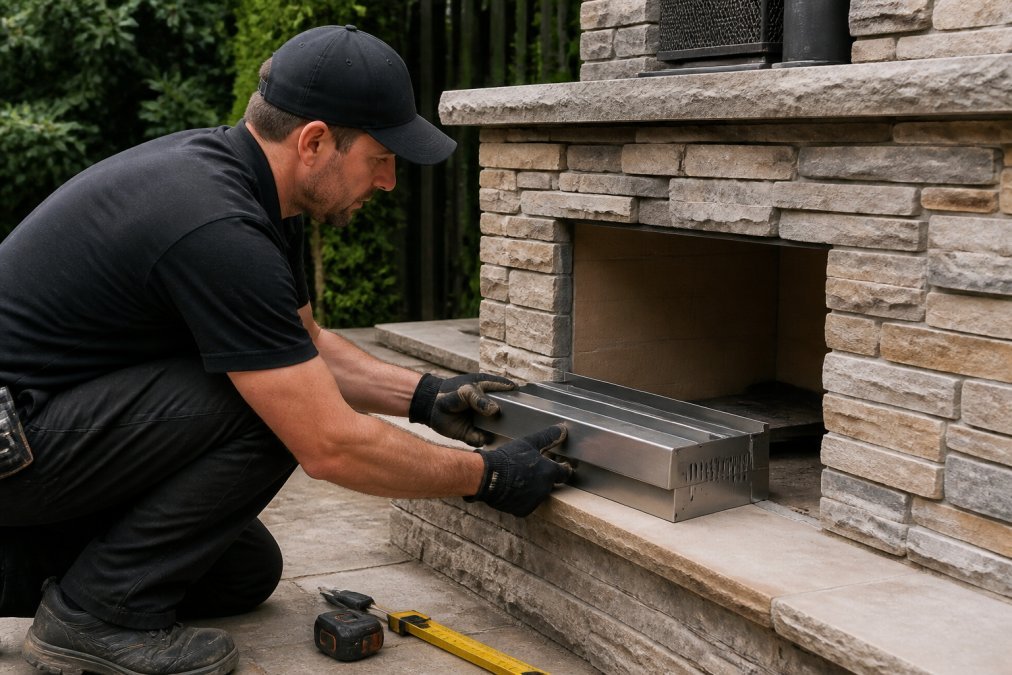
Outdoor Fireplace Safety Installation Tips
Table of Contents
- Understanding Outdoor Fireplace Safety Installation Tips
- Outdoor Fireplace Clearance Requirements and Distance Standards
- Outdoor Fireplace Building Permits and Local Ordinances
- Preparing Your Outdoor Fireplace Footing Depth and Foundation
- Gas Fire Pit Installation Guide and Fuel Safety
- Weatherproofing and Enclosure Protection
- Post-Installation Maintenance and Safety Inspections
- Conclusion
Last Updated: August 29, 2026
Understanding Outdoor Fireplace Safety Installation Tips
Installing an outdoor fireplace transforms your backyard into a luxurious gathering space, but safety must come first. Improper setup can lead to structural damage, fire hazards, and potential injury. At Eternal Flame Outdoors, we empower homeowners to transform any space into an inspiring oasis of warmth and connection, providing expert guidance and personalized service to ensure lasting memories are made. The most successful installations share one thing in common: they respect clearance requirements, local codes, and material specifications from day one.
Outdoor Fireplace Clearance Requirements and Distance Standards
Clearance requirements aren't suggestions, they're the foundation of safe outdoor fireplace operation. Building codes exist because fires spread when combustible materials get too close to heat sources.
Horizontal Distance From Structures
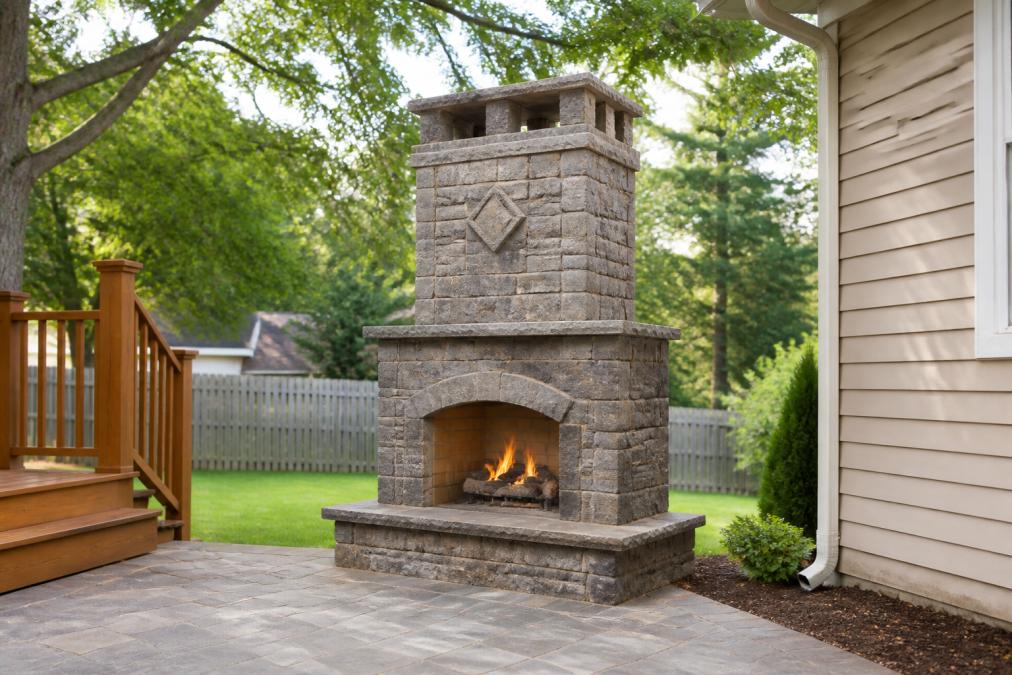
Your fireplace needs breathing room on all sides. Most jurisdictions require a minimum horizontal distance of 10 feet from your home's exterior walls, though some areas mandate 15 feet. This protects siding, windows, and roof overhangs from radiant heat and flying embers.
Decks and fences require similar protection. Wooden decks need at least 10 feet of clearance; vinyl fencing should be 15 feet away because it melts at lower temperatures. Trees present a unique challenge, low-hanging branches should be at least 15 feet away horizontally, with many fire marshals recommending 20 feet. Branches directly overhead are especially risky because updrafts carry embers upward into foliage.
Vertical Clearance and Overhang Protection
Your fireplace opening should have at least 15 feet of clearance to any overhead structure, roof eaves, pergolas, tree branches, or covered patio ceilings. Wood-burning fireplaces can produce flames 8 to 12 feet tall, so this minimum isn't excessive. Gas fireplaces offer more control but still need clearance for proper ventilation and heat dispersal.
Roof soffits, fascia, and gutters should be as far as possible from the fireplace. Heat rises and travels, so even a 20-foot horizontal distance won't protect a low-hanging soffit directly above the fireplace.
Outdoor Fireplace Building Permits and Local Ordinances
Permit requirements vary dramatically by jurisdiction, and skipping this step can result in fines, forced removal, or insurance claims being denied. Most municipalities require permits for permanent outdoor fireplace installations, involving plan submission, site review, and final inspection.
Contact your local building department before purchasing your fireplace. Ask specifically about:
- Permit requirements for your fireplace type (wood-burning vs. gas)
- Required setback distances from property lines and structures
- Foundation specifications and depth requirements
- Whether your neighborhood has HOA restrictions
- Inspection timeline
Local ordinances often include restrictions on burn days, smoke emissions, and operating hours. Some areas prohibit wood-burning fireplaces entirely or limit them to certain seasons. Gas fireplaces face fewer restrictions but may require licensed gas line installation.
Preparing Your Outdoor Fireplace Footing Depth and Foundation
A solid foundation prevents settling, cracking, and structural failure. Your fireplace is heavy, often 1,000 to 3,000 pounds, and needs proper support.
Fire-Safe Base Materials and Non-Combustible Surfaces
The ground beneath your fireplace must be non-combustible. Your foundation should consist of:
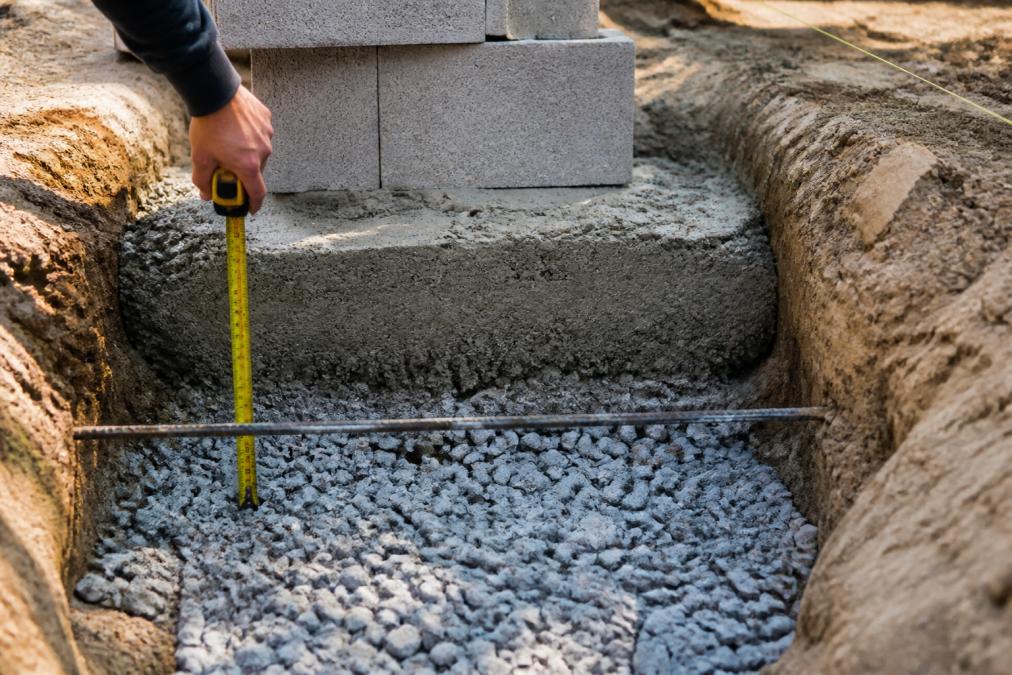
- Concrete footing: Typically 4 to 6 inches deep, poured below the frost line for your region
- Gravel base: 4 to 6 inches of compacted gravel beneath the concrete improves drainage
- Non-combustible surface: Concrete pad, stone, or pavers extending at least 2 feet beyond the fireplace footprint
- Reinforcement: Rebar or wire mesh in the concrete prevents cracking
Never install a fireplace directly on wood decking, mulch, or untreated soil.
Structural Integrity and Settling Prevention
Poor drainage is the silent killer of outdoor fireplace foundations. Water pooling beneath your fireplace causes concrete to crack, freeze damage in winter, and uneven settling. Slope your foundation slightly away from the fireplace, even a 2% grade helps water drain.
In areas with heavy clay soil or poor drainage, consider a French drain or perforated drainage pipe around the foundation perimeter. Prepare the base in 2-inch lifts, compacting each layer before adding the next. This prevents the foundation from sinking unevenly.
Gas Fire Pit Installation Guide and Fuel Safety
Gas fireplaces offer convenience and control that wood-burning models can't match. However, gas line installation requires precision, and understanding how wind and ventilation affect performance is critical for safe operation.
Gas Line Installation and Emergency Shut-Off Requirements
Never attempt gas line installation yourself unless you're a licensed plumber or HVAC technician. Building codes require that gas lines be installed by qualified professionals.
Your gas line must:
- Run underground or through protected conduit to prevent damage
- Include a manual shut-off valve within 6 feet of the fireplace, positioned for easy access
- Have a secondary emergency shut-off accessible from a distance (typically 10+ feet away)
- Be pressure-tested and inspected before use by a licensed technician
- Include a drip leg at the lowest point to catch condensation
- Use appropriate fittings and connectors rated for outdoor use and the specific gas type
Make sure everyone in your household knows where the emergency shut-off valve is and how to operate it. Test the valve quarterly to ensure it operates smoothly.
For propane fireplaces, position the tank upwind of seating areas and at least 10 feet from ignition sources. Inspect the tank regularly for rust, dents, or leaks.
Wind Patterns and Flame Stability
Wind is the most underestimated factor in gas fireplace performance and safety. Moderate wind (10-20 mph) can bend flames sideways, reducing visual appeal and heat output. Strong wind (20+ mph) can blow out the flame entirely or cause the burner to cycle repeatedly.
Observe wind patterns in your yard over several days before finalizing placement. Note which areas are sheltered by trees, structures, or terrain, and which are exposed. If your yard is consistently windy, position the fireplace in a naturally sheltered spot or plan for a windbreak.
Gas fireplaces produce carbon monoxide (CO) as a byproduct of combustion. Outdoor installations have a natural advantage, CO disperses into the open air and dilutes to safe levels quickly. However, wind direction affects how exhaust moves relative to your seating and living areas. Never install a fireplace where prevailing winds blow exhaust toward seating areas, windows, or doors.
Ventilation in Enclosed and Partially Enclosed Spaces
Enclosed or partially enclosed spaces create ventilation problems that can make gas fireplaces unsafe or uncomfortable.
Fully enclosed structures (gazebos, pavilions with roofs):
A gas fireplace in a fully enclosed space concentrates CO and heat, creating unsafe conditions. Building codes typically prohibit gas fireplaces in fully enclosed structures without mechanical ventilation. If you want a fireplace in an enclosed space, you'll need a dedicated exhaust duct venting CO and combustion byproducts outside, plus makeup air intake. For most homeowners, it's simpler to avoid fully enclosed spaces.
Partially enclosed structures (pergolas with partial roofs, three-sided pavilions):
Partially enclosed spaces work better than fully enclosed ones. Position the fireplace so exhaust vents away from the opening. Open-sided pergolas with slat roofs allow heat and exhaust to rise and disperse naturally and are generally safe for gas fireplaces as long as the fireplace maintains the 15-foot vertical clearance to overhead structures.
Gas Fireplace Maintenance and Safety Checks
Monthly during active season:
- Inspect the burner for debris, spider webs, or insect nests
- Verify the flame pattern matches manufacturer specifications
- Check that the ignition system lights consistently
- Inspect visible gas lines and connections for corrosion or damage
Seasonally (spring and fall):
- Test the emergency shut-off valve to ensure it operates smoothly
- Inspect all visible connections and seals for damage or leaks
- Check the thermocouple or flame sensor for debris or corrosion
- Verify that the fireplace vents freely without blockages
Annually:
- Schedule a professional inspection by a licensed gas technician
- Have gas lines pressure-tested if applicable
- Inspect the burner assembly and replace any corroded or damaged components
- Check weatherproofing seals and repair any damage
Professional inspections catch problems that aren't visible to homeowners, internal blockages, corroded burner components, or deteriorating seals. This annual investment prevents dangerous situations and extends your fireplace's life.
Weatherproofing and Enclosure Protection
Outdoor fireplaces face constant exposure to rain, snow, wind, and temperature swings. Weatherproofing extends lifespan and maintains performance, but the materials you choose directly affect both safety and insurance coverage.
Material-Specific Heat Resistance and Fire-Rated Surfaces
Not all pavers, stones, and concrete are created equal when it comes to heat exposure. Fire-rated pavers and stones are manufactured to withstand sustained heat without cracking, spalling, or releasing harmful compounds. These typically include porcelain pavers rated for outdoor use, granite and basalt, engineered concrete pavers specifically labeled for fire pit or fireplace use, and quarried slate.
Decorative pavers, including many limestone, sandstone, or low-grade concrete products, can fail under fireplace heat. Limestone and sandstone contain moisture trapped in their pores. When exposed to sustained heat, that moisture turns to steam, creating internal pressure that causes the stone to crack or explode.
When selecting your hearth and surrounding surface materials, verify the manufacturer's heat rating. Ask specifically: "Is this product tested for use within 10 feet of an open flame or fireplace?"
Weatherproofing Covers and Off-Season Protection
A weather-resistant cover protects your fireplace during off-season months and extends component life significantly. Quality covers are made from heavy-duty, breathable materials that shed water while allowing air circulation. Never use plastic tarps, they trap moisture and accelerate corrosion.
For wood-burning fireplaces, a spark arrestor screen prevents embers from escaping and reduces fire risk. This simple addition is often required by code.
Enclosure Design and Heat Reflection
If you're installing your fireplace under a pergola, gazebo, or partial roof structure, the materials used for that enclosure matter as much as the fireplace itself. Heat rises and reflects off overhead surfaces, concentrating back down toward the fireplace and surrounding structures.
Fully enclosed spaces create dangerous heat buildup and poor ventilation. If you must have walls, leave at least two sides completely open to allow heat and smoke to escape. Pergolas with solid roofs or polycarbonate panels should be positioned at least 15 feet from the fireplace opening, or the overhead material will experience heat damage and discoloration.
Insurance and Liability Implications
Improper weatherproofing and material selection can void your homeowner's insurance coverage or result in claim denial if a fire occurs. Insurance carriers often require documentation that your fireplace installation meets local building codes and uses fire-rated materials.
Before finalizing your material selections, contact your homeowner's insurance agent and ask:
- Do you require proof of permit and inspection for outdoor fireplaces?
- Are there specific material standards I should meet to maintain coverage?
- Does my policy cover fire damage if the fireplace is installed without a permit?
- Are there restrictions on wood-burning vs. gas fireplaces in my area?
Documenting your installation with photos of permits, inspection reports, and material certifications protects you in the unlikely event of a claim.
Seasonal Maintenance and Material Inspection
In fall, clear leaves and debris from around and inside your fireplace. In spring, inspect for winter damage before the season begins. Pay special attention to pavers and hearth surfaces for cracks, spalling, or displacement; mortar joints for gaps or deterioration; metal components for rust or corrosion; and weatherproofing seals for damage.
Post-Installation Maintenance and Safety Inspections
Your fireplace needs regular attention to stay safe and functional. Create a maintenance checklist and follow it consistently.
Monthly during active season:
- Inspect the firebox for cracks or damage
- Check for loose bricks, stones, or mortar
- Clear debris from the hearth and surrounding area
- For gas units, verify the flame pattern looks normal
Seasonally (spring and fall):
- Have the chimney or flue professionally inspected and cleaned
- Check all visible connections and seals for damage
- Test gas shut-off valves to ensure they operate smoothly
- Inspect the foundation for new cracks or settling
Annually:
- Schedule a professional safety inspection
- Have gas lines pressure-tested if applicable
- Check weatherproofing and repair any damage
- Inspect the roof and surrounding structures for heat damage
Professional inspections catch problems early. A certified chimney sweep or fireplace technician can identify issues that aren't visible to homeowners. This annual investment prevents dangerous situations and extends your fireplace's life.
When you're ready to install a premium outdoor fireplace, the products from Eternal Flame Outdoors, including the Majestic 42" Castlewood Outdoor Wood Fireplace, Majestic 42" Cottagewood Outdoor Wood Fireplace, and Superior Paneled Wood Fireplace Series, are built with safety and durability as foundational priorities. Our team can guide you through every step of planning a safe, code-compliant installation. Contact Eternal Flame Outdoors today to discuss your outdoor fireplace project with our experts.


Frequently Asked Questions
Q: What are the essential clearance requirements for outdoor fireplace safety installation?
A: Most jurisdictions require outdoor fireplaces to be at least 10 feet horizontally from structures like houses, fences, and decks. Vertical clearance of 15 feet from tree branches and roof overhangs is standard to prevent ignition. Always verify local building codes, as requirements vary by municipality. These clearance requirements protect against heat damage and flying sparks while ensuring proper ventilation and fire suppression access.
Q: Do I need a building permit for outdoor fireplace installation?
A: Yes, most areas require building permits for permanent outdoor fireplace installations. Permits ensure your fireplace meets local building codes, zoning regulations, and fire safety standards. The permit process typically involves submitting installation plans, footing specifications, and fuel type details. Contact your local building department before installation to understand specific permit requirements, inspection timelines, and any associated fees for your jurisdiction.
Q: How deep should the footing be for an outdoor fireplace?
A: Outdoor fireplace footings typically require a depth of 12 to 18 inches below grade, depending on local frost lines and soil conditions. A concrete footing prevents settling and maintains structural integrity through freeze-thaw cycles. The footing should extend beyond the fireplace footprint by at least 12 inches on all sides. Consult local building codes for your specific climate zone, as frost depth requirements vary significantly by region.
Q: What safety precautions should I take when installing a gas fire pit?
A: Gas fire pit installation requires professional gas line installation with proper shut-off valves, pressure regulators, and safety testing. The gas supply must comply with local codes and be installed by a licensed professional. Ensure adequate ventilation to prevent carbon monoxide buildup. Install spark arrestors and maintain a clear safety perimeter around the pit. Never attempt DIY gas line work, hire a certified professional to ensure compliance with fire codes and prevent dangerous leaks.
Ready to create a safe, stunning outdoor fireplace space? Contact Eternal Flame Outdoors to explore our premium fireplace collections and get personalized guidance on selecting the right model for your backyard. Our team specializes in helping homeowners navigate installation requirements, local codes, and design considerations to ensure your outdoor living space is both beautiful and built to last.

Leave a comment
This site is protected by hCaptcha and the hCaptcha Privacy Policy and Terms of Service apply.