
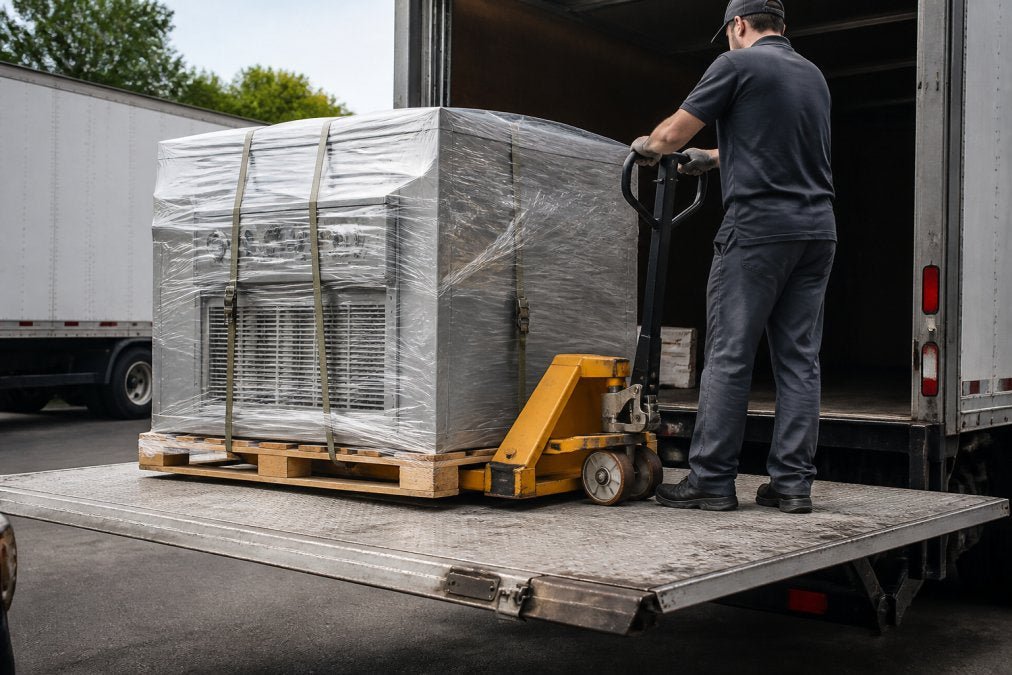
Shipping Costs for Heavy Outdoor Appliances
Table of Contents
- What Determines Shipping Costs for Heavy Outdoor Appliances
- Parcel Shipping vs. Freight: Which Method Fits Your Appliance
- LTL Freight Explained for Homeowners
- Curbside Delivery vs. White-Glove Service
- How to Prepare for Heavy Appliance Delivery
- Strategies to Reduce Shipping Costs for Outdoor Appliances
- Conclusion
Last Updated: August 30, 2026
What Determines Shipping Costs for Heavy Outdoor Appliances
When you're investing in a premium outdoor cooking table or fire feature, understanding what drives shipping costs is just as important as selecting the right product. The final price you pay depends on several interconnected factors that go well beyond simple distance calculations.
Weight, dimensions, packaging, freight classification, destination, and delivery speed all shape your final cost. At Eternal Flame Outdoors, we help homeowners navigate these variables so there are no surprises when delivery day arrives.
Dimensional Weight and Freight Class
Dimensional weight is the volume your shipment occupies divided by a standard density factor. Carriers use this measurement because a large, lightweight box takes up valuable truck space even if it doesn't weigh much. For heavy outdoor appliances, dimensional weight often matters less than actual weight, but it's still calculated and compared.
Freight class is a standardized system that categorizes shipments based on density, ease of handling, and liability. The National Motor Freight Traffic Association (NMFTA) assigns classes ranging from 50 (densest, most compact) to 500 (lightest, bulkiest). Heavy outdoor appliances typically fall into classes 85-100, depending on construction and packaging.
A cooking table with an integrated grill insert, for example, might be classified as Class 85 because it's relatively dense and stable when properly crated. The same item shipped loosely would receive a higher class number, increasing your freight rate. Proper crating and palletizing directly affect your shipping cost by keeping items in lower freight classes.
Shipping Zone and Transit Time
Freight rates vary dramatically based on shipping zone, determined by distance and geography between origin and destination. The contiguous U.S. is divided into zones, with Zone 1 being the shortest distance and Zone 8 the farthest. Shipping from a West Coast warehouse to the East Coast costs significantly more than regional shipping.
Transit time also influences cost. Expedited freight (2-3 days) commands a premium over standard service (5-7 business days). Most homeowners choose standard transit, which balances cost and reasonable delivery windows.
Seasonal factors matter too. During peak renovation seasons (spring and summer), freight capacity tightens and rates increase. Shipping the same appliance in November typically costs less than in May.
Parcel Shipping vs. Freight: Which Method Fits Your Appliance
Not every outdoor appliance qualifies for standard parcel shipping. Understanding when each method applies saves money and prevents costly mistakes.
When Parcel Shipping Works
Parcel shipping through carriers like UPS, FedEx, or DHL works for smaller items under 150 pounds with dimensions under 130 inches (length + girth combined). Some compact fire tables or smaller water features may qualify.
Parcel shipping offers predictable rates, easy tracking, and doorstep delivery. However, parcel carriers impose strict weight and size limits and charge dimensional weight fees aggressively. A bulky item weighing 80 pounds but measuring 48" × 36" × 24" might be charged as if it weighed 150+ pounds.
For most premium outdoor appliances, especially cooking tables with integrated grills, parcel shipping isn't an option. The item is too large or heavy, and dimensional weight penalties make it uneconomical.
When LTL Freight Is Required
LTL (Less Than Truckload) freight is the standard method for heavy outdoor appliances. LTL carriers consolidate shipments from multiple customers on a single truck, distributing costs across shipments. This makes it economical for items weighing 150-10,000 pounds.
LTL freight requires a shipping quote rather than an instant online rate. You provide weight, dimensions, freight class, and destination, and the carrier calculates the cost based on current capacity and routes. LTL carriers handle logistics of getting your item to a freight terminal near you, then delivering it to your address (or curbside, depending on service level).
LTL Freight Explained for Homeowners
LTL freight can feel mysterious if you've never shipped a heavy item before. Breaking down how it works removes confusion and helps you make informed decisions.
How LTL Pricing Works
LTL rates are calculated using four primary factors: weight, dimensions (converted to freight class), distance (shipping zone), and current market rates.
Carriers also apply surcharges for special circumstances. A residential surcharge applies when delivering to a home instead of a commercial address, since residential driveways may be narrower and lack standard loading docks. This surcharge typically ranges from 10-25% of the base freight cost.
Other potential surcharges include:
- Liftgate service (if your driveway can't accommodate a full 53-foot trailer)
- Inside delivery (carrying the item into your home rather than leaving it curbside)
- Appointment-based delivery (scheduling a specific time window)
- Hazmat fees (rarely applicable to outdoor appliances)
Understanding these add-ons helps you budget accurately.
Palletizing and Crating for Safe Delivery
How your outdoor appliance is prepared for shipment directly affects both safety and cost. Proper palletizing and crating protect your investment and can reduce shipping charges by keeping the item in a lower freight class.
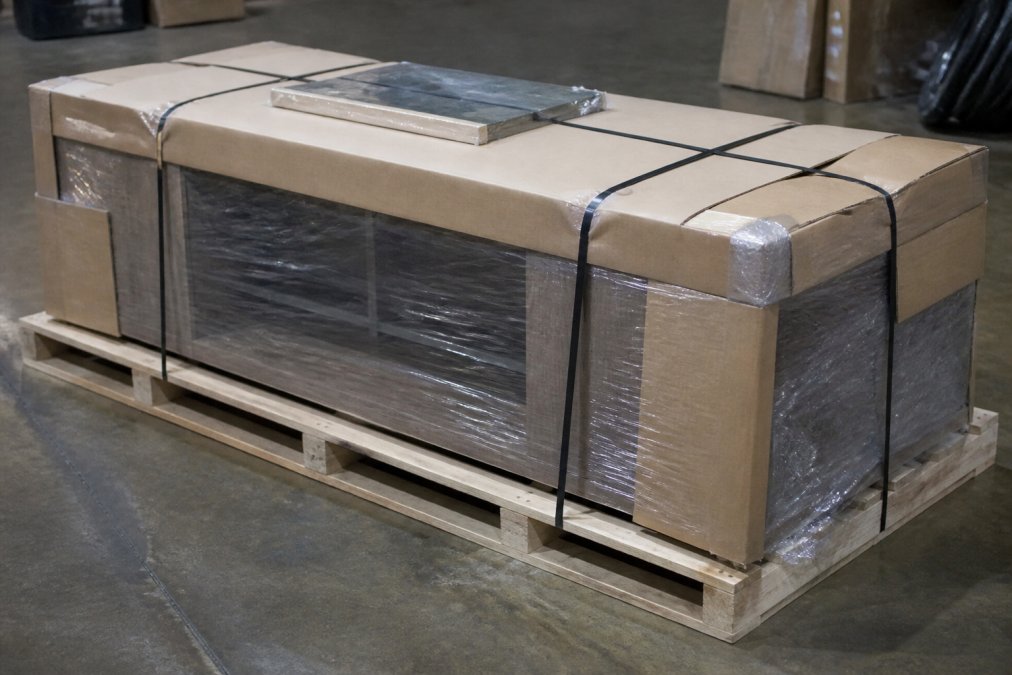
Palletizing means securing your appliance to a wooden pallet using straps, bands, or shrink wrap. This creates a stable, standard-sized unit that freight handlers expect.
Crating encloses the item in a wooden or cardboard frame, protecting against weather, theft, and damage during transit. For premium items like integrated cooking tables, crating protects against scratches, dents, and corrosion.
When you order from Eternal Flame Outdoors, our team handles how your item is prepared. We work with manufacturers and freight specialists to ensure your appliance arrives in perfect condition. The preparation method is factored into your shipping quote upfront.
Curbside Delivery vs. White-Glove Service
Once your appliance reaches the freight terminal near your home, the final delivery method determines the last piece of your shipping cost and experience.
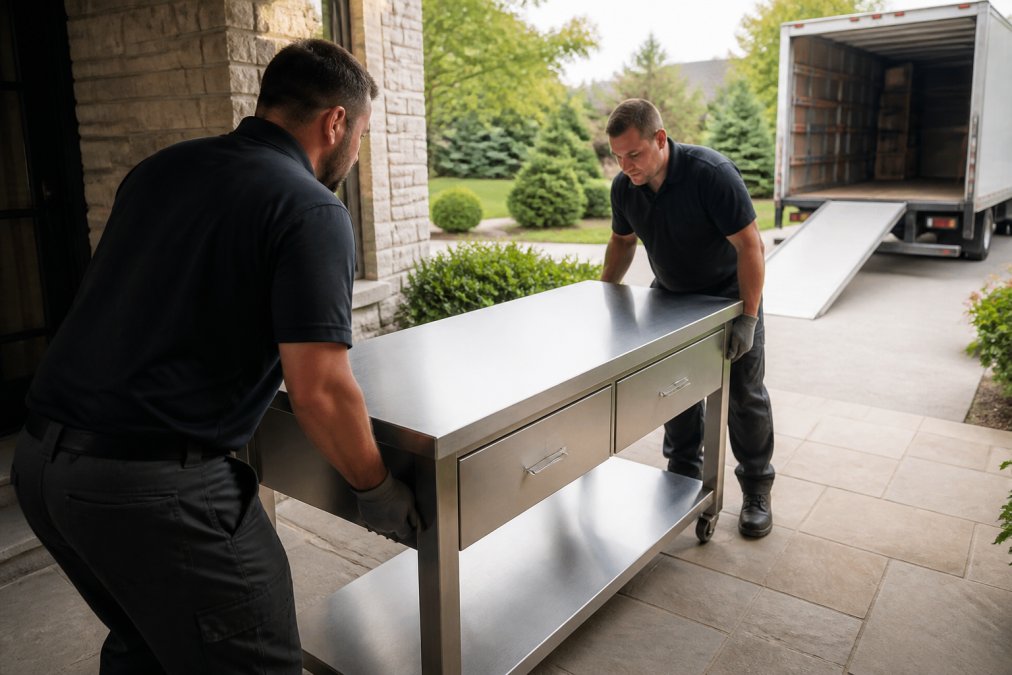
Curbside delivery means the driver places your item at the end of your driveway or on your porch. You're responsible for moving it to its final location. This is the most economical option and works well if you have a relatively flat, accessible driveway. Curbside delivery is included in standard LTL rates.
White-glove service includes inside delivery, where the driver carries your appliance into your backyard and positions it where you want it. Some services also include unpacking, assembly assistance, and removal of packaging materials. This service costs significantly more but eliminates physical labor and ensures proper placement.
For a premium cooking table or large fire feature, white-glove service is often worth the investment. It protects your floors, walls, and landscaping from damage and ensures optimal placement.
Understanding Residential Surcharges
Residential surcharges exist because delivering to a home requires different logistics than delivering to a commercial warehouse. Commercial docks are designed for freight trailers; residential driveways often aren't.
A residential surcharge typically adds 10-25% to your freight cost. You can sometimes reduce this surcharge by choosing curbside delivery and ensuring your driveway is clear and accessible.
How to Prepare for Heavy Appliance Delivery
Preparation before your appliance arrives prevents damage, delays, and unexpected costs.
Site Preparation and Access Requirements
Before your delivery date, confirm your driveway can accommodate a freight truck. Most LTL carriers use 53-foot trailers, which need at least 12 feet of width and clearance from overhead obstacles like power lines and tree branches. If your driveway is narrower or obstructed, liftgate service becomes necessary.
Clear your driveway completely. Remove parked cars, trash bins, and debris. If your delivery includes inside placement, ensure the path from driveway to backyard is clear.
Check the ground where your appliance will sit. It should be level, stable, and ideally paved or gravel (not soft soil that might settle). If you're placing a heavy cooking table on grass, consider laying down gravel or pavers first to prevent sinking.

Confirm the delivery window with the carrier 24-48 hours before arrival. Most LTL deliveries have a 4-6 hour window. Being home during this window ensures someone can inspect the shipment and sign off on delivery.
Documentation and Inspection
When the driver arrives, inspect your appliance before signing the delivery receipt. Check for visible damage to the crate or packaging. If you notice damage, note it on the bill of lading before signing. Take photos of any damage to protect your claim.
Open the crate or packaging carefully once the driver leaves (or have them do it if you paid for white-glove service). Check that all components are present and undamaged.
Keep all shipping documentation, including the bill of lading and delivery receipt, for at least 30 days. If any damage is discovered, you'll need these documents to file a claim with the carrier.
Strategies to Reduce Shipping Costs for Outdoor Appliances
Shipping costs are negotiable, especially for high-value items. Understanding your options helps you minimize expenses without compromising on service or safety.
Consolidating multiple items into a single shipment reduces per-item costs. If you're ordering a cooking table and a separate fire feature, shipping them together is cheaper than two separate shipments.
Choosing standard transit over expedited service saves money. Most homeowners don't need their appliance within 2-3 days; waiting 5-7 business days reduces costs significantly.
Selecting curbside delivery instead of white-glove service is the single biggest cost reducer. If you can manage moving the item to its final location, this choice saves substantially.
Timing your purchase strategically matters. Shipping costs are lower in fall and winter when demand is lighter. If your project timeline is flexible, ordering during off-peak seasons can reduce freight costs.
Shipping Insurance and Carrier Liability
Standard LTL freight includes carrier liability, which covers damage during transit up to a certain amount, typically the actual cash value of the item or a carrier's liability limit, whichever is lower. For expensive items, this coverage may be insufficient.
Optional shipping insurance extends coverage beyond the carrier's standard liability. This additional insurance protects you fully if damage occurs during transit. For a high-end cooking table or fire feature, this insurance is often worth the cost.
When you purchase from Eternal Flame Outdoors, we advise you on whether additional insurance makes sense for your specific item and value. We also handle the claims process if damage occurs, so you're not navigating carrier disputes alone.
| Delivery Method | Best For | Key Considerations |
|---|---|---|
| Curbside | Budget-conscious, accessible driveways | You handle final placement |
| Liftgate service | Limited driveway access | Truck doesn't back into yard |
| Inside delivery | Premium experience, difficult terrain | Driver places item in backyard |
| White-glove | Maximum convenience | Includes unpacking and placement |
Shipping heavy outdoor appliances involves more variables than most homeowners expect, but understanding these factors puts you in control. Weight, dimensions, freight class, distance, and service level all shape your final cost. Planning ahead, clearing your driveway, confirming access, and choosing the right service level ensures smooth delivery and protects your investment.
When you work with Eternal Flame Outdoors, we guide you through every step of the shipping process. Our team calculates accurate costs upfront, coordinates with carriers, and ensures your premium cooking table or fire feature arrives safely and on schedule. Contact us today to discuss your project and get a personalized shipping estimate for the outdoor appliance you've chosen.
Frequently Asked Questions
What factors influence the shipping cost of heavy outdoor appliances?
Shipping costs for heavy outdoor appliances depend on weight, dimensions, freight class, delivery distance (shipping zone), and service level. Dimensional weight, the package's size relative to actual weight, often determines the final cost. Residential delivery typically costs more than commercial due to surcharges. Additional factors include whether the item requires white-glove service, liftgate service, or curbside delivery. Insurance and carrier liability coverage also affect the total price. Getting a shipping quote from your retailer accounts for all these variables.
How should I prepare my property for a heavy appliance delivery?
Clear a wide path from the delivery truck to your installation site, removing obstacles like garden hoses, potted plants, and parked cars. Measure doorways, gates, and pathways to ensure the appliance fits through. Level the ground where the item will sit, and have a helper present during delivery. Keep children and pets indoors. Inspect the item upon arrival before signing the delivery manifest, and photograph any damage immediately. Confirm the delivery window in advance so you're home and ready when the freight carrier arrives.
What is the difference between curbside delivery and white-glove service?
Curbside delivery means the freight carrier places your item at the curb or driveway; you're responsible for moving it to the final location. White-glove service includes professional placement at your desired spot, unpacking, assembly setup, and removal of packaging materials. White-glove delivery costs significantly more but eliminates the heavy lifting and ensures proper positioning. For large outdoor cooking tables or built-in grills, white-glove service protects your investment and saves you from potential injury or property damage.
Is LTL freight required for large fire pits and outdoor grills?
Yes, most large outdoor grills, fire tables, and cooking islands require LTL (Less Than Truckload) freight because they exceed standard parcel weight limits (usually 150 pounds) or have dimensions that make them oversized. LTL carriers specialize in heavy items and provide proper equipment like liftgates and palletizing. Your retailer's shipping policy will specify whether your item qualifies for parcel shipping or requires freight. Items like the Videl Santa Barbara or Bellingham cooking tables, which weigh hundreds of pounds, always ship via LTL freight for safety and compliance.

Leave a comment
This site is protected by hCaptcha and the hCaptcha Privacy Policy and Terms of Service apply.