
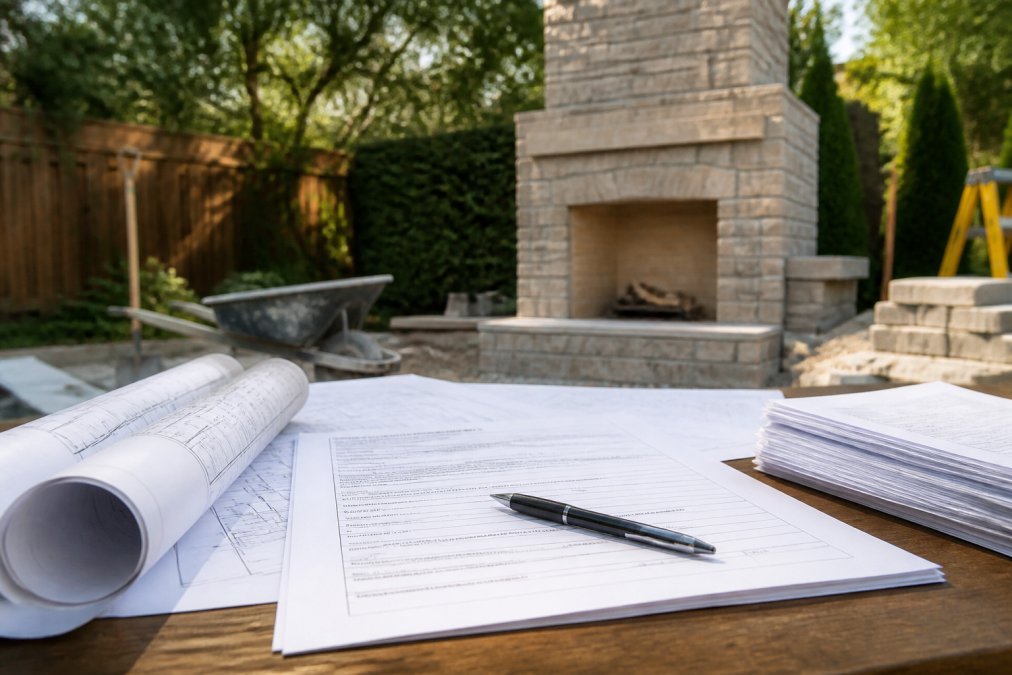
How to Get Permits for Outdoor Fireplace Installation
Table of Contents
- Understanding Outdoor Fireplace Permits and Building Codes 2026
- Step 1: Gather Your Site Plan and Property Documentation
- Step 2: Check Zoning Laws and Backyard Fire Feature Setback Requirements
- Step 3: Review Outdoor Fireplace Building Codes 2026 for Your Jurisdiction
- Step 4: Hiring a Licensed Contractor for Fireplace Installation
- Step 5: Submit Your Permit Application and Fees
- Understanding the Outdoor Fireplace Inspection Process
- Common Mistakes to Avoid When Permitting an Outdoor Fireplace
- Frequently Asked Questions
Last Updated: August 31, 2026
Understanding Outdoor Fireplace Permits and Building Codes 2026
Getting permits for an outdoor fireplace installation isn't optional, it's a legal requirement in most jurisdictions, and skipping it can result in fines, failed inspections, or forced removal of the structure. The good news: the process is straightforward once you understand what your local building department actually needs.
Outdoor fireplace permits exist to protect your safety, your neighbors' safety, and your property value. Building codes regulate everything from how far your fireplace must sit from your home to what materials can be used in its construction. These regulations vary significantly by location, which is why there's no one-size-fits-all answer, but the process for obtaining permits follows a predictable path.
Before you hire a contractor or order materials, you need to understand three things: what your jurisdiction requires, whether your property qualifies, and what the inspection timeline looks like. Most homeowners underestimate the time this takes. Plan for 4-8 weeks from application to approval, depending on your local building division's workload.
At Eternal Flame Outdoors, we work with homeowners and contractors across the country on premium fireplace installations. One thing we've learned: the projects that move smoothly are the ones where permits are handled early and correctly. The ones that stall are usually those where someone tried to skip steps.
Step 1: Gather Your Site Plan and Property Documentation
Your building department won't review your application without a site plan. This isn't a casual sketch, it's a scaled drawing showing where your outdoor fireplace will sit relative to your home, property lines, and other structures.
Here's what you need to prepare:
- Property survey or deed map showing lot dimensions and boundaries
- Site plan drawn to scale (typically 1/4 inch = 1 foot) showing the fireplace location
- Elevation drawings showing the height and profile of the fireplace structure
- Proof of ownership (property deed or recent property tax statement)
- Existing site photos showing the current backyard layout
- Utility location information (gas, electric, water lines if applicable)
The site plan is critical. It must clearly show the distance from your proposed fireplace to your home's exterior wall, to your property line, and to any structures on neighboring properties. Most jurisdictions require this information before they'll even look at your application.
If you're unsure how to create a site plan, many contractors include this as part of their service. If you're handling it yourself, you can use simple drawing software or hire a surveyor. The investment here saves headaches later.
One common mistake: homeowners assume they can eyeball distances. Don't. Measure everything with a tape measure, and document it. Building inspectors will verify these measurements on site.
Step 2: Check Zoning Laws and Backyard Fire Feature Setback Requirements
Zoning ordinances dictate whether you can even have an outdoor fireplace on your property. Some residential zones prohibit permanent fire features entirely. Others allow them but with strict setback requirements.
Setback requirements specify the minimum distance your fireplace must be from property lines, structures, and combustible materials. These vary widely:
- Distance from property line: typically 3-10 feet
- Distance from your home: often 10-15 feet for gas fireplaces, up to 20 feet for wood-burning features
- Distance from trees, overhanging branches, and vegetation: usually 10-15 feet minimum
- Distance from deck railings or outdoor structures: varies by code
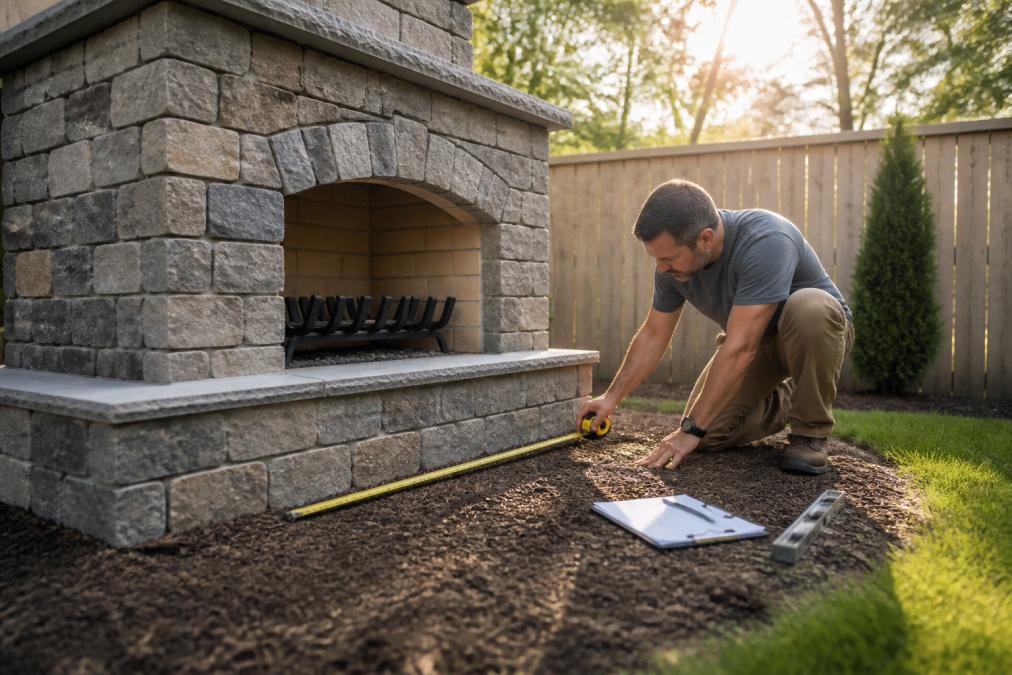
Your local zoning ordinance is available through your city or county planning department, usually online. Search "[your city] zoning ordinance" or contact the planning division directly. If you can't find it, call. They'll tell you exactly what zone your property is in and what restrictions apply.
If your property doesn't meet setback requirements naturally, you have limited options. You can't move your property line. You might be able to request a variance, but that requires a formal hearing and isn't guaranteed. Better to check this early and adjust your fireplace location accordingly.
A critical detail many homeowners miss: setback requirements often change if you're in a fire-prone area or near a wildland interface. If your property is within a certain distance of undeveloped land, stricter rules may apply. Ask your building department specifically about wildfire mitigation zones or defensible space requirements.
Step 3: Review Outdoor Fireplace Building Codes 2026 for Your Jurisdiction
Building codes establish the technical standards for your fireplace's construction, materials, and operation. The specific codes that apply depend on your location, but most jurisdictions follow either the International Building Code (IBC) or the International Residential Code (IRC), with local amendments.
Key areas covered by building codes:
- Structural integrity: foundation requirements, wind load calculations, frost line depth
- Chimney and flue specifications: height above roof line (if applicable), clearance from combustible materials, liner materials
- Gas line installation: pressure testing, shutoff valve location, regulator specifications
- Solid fuel restrictions: whether wood-burning is permitted; if so, what type of fuel and how it must be contained
- Combustible material clearances: distances from wood siding, decking, and landscaping
- Electrical requirements: if your fireplace includes lighting or electronic ignition systems
International Code Council building standards publishes the model codes most jurisdictions adopt. However, your local building department may have amendments or modifications specific to your area. Always request a copy of the specific code sections that apply to outdoor fireplaces in your jurisdiction, don't rely on generic online information.
One thing that trips up homeowners: the difference between gas line installation codes and structural codes. If your fireplace requires a gas line, that work must be done by a licensed gas fitter in most states, and it requires a separate inspection. This isn't something you can DIY, and it's not something a general contractor can handle without the proper license.

Ask your building department which specific code sections govern your project. Write them down. This information becomes your roadmap for what the inspector will check.
Step 4: Hiring a Licensed Contractor for Fireplace Installation
Not all contractors can legally install outdoor fireplaces. Depending on what your fireplace requires, you may need a licensed general contractor, a licensed mason (for masonry fireplaces), a licensed gas fitter (for gas lines), and an electrician (for any electrical work).
This is where many DIY-minded homeowners hit a wall. You cannot install a permanent gas-fired outdoor fireplace yourself in most jurisdictions. Gas line work requires a license. Electrical work requires a license. Structural work on a permanent foundation may require a licensed contractor signature on the permit.
Here's what to look for when hiring:
- License verification: confirm the contractor's license is current and in good standing with your state licensing board
- Insurance: verify they carry general liability and workers' compensation insurance
- References: ask for recent outdoor fireplace or masonry projects they've completed
- Permit experience: ask if they've pulled permits for outdoor fireplaces in your specific jurisdiction, familiarity with local codes matters
- Written estimate: should include materials, labor, permit costs, and timeline
- Warranty information: what does the contractor warranty on their work?
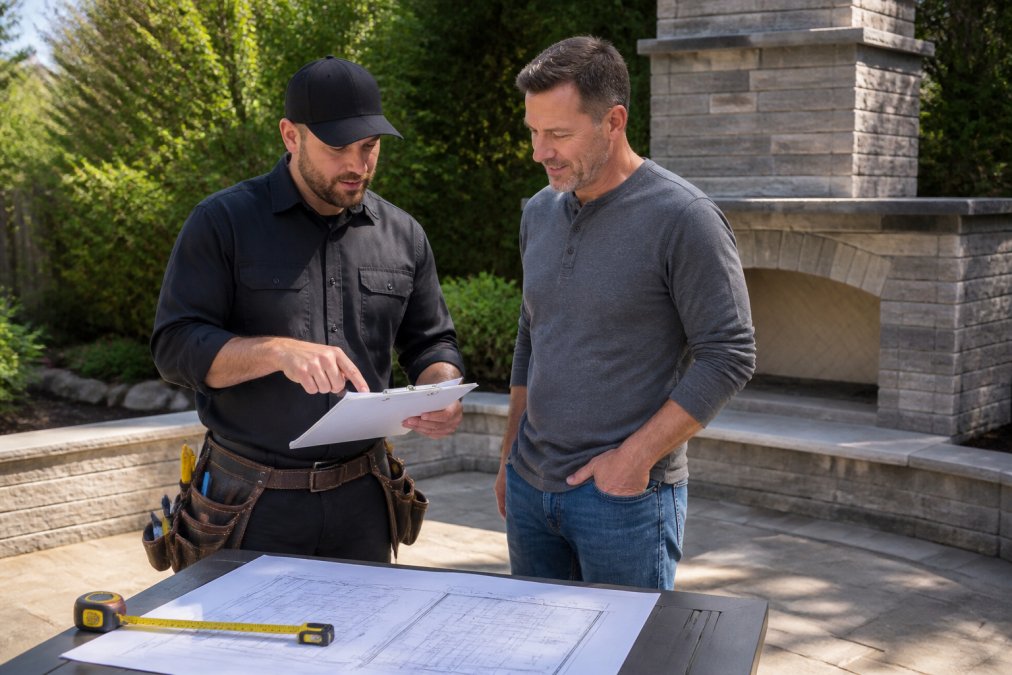
When you contact contractors, ask them directly: "Have you pulled permits for outdoor fireplaces in [your city/county]?" If they hesitate or give a vague answer, move on. Contractors who regularly work in your jurisdiction know the local codes and the building department staff. That experience is worth paying for.
A practical tip: get at least three written estimates. Compare not just price but scope, what's included, what's not, and what the timeline looks like. The cheapest option isn't always the best if it means the contractor cuts corners on code compliance or rushes through inspections.
At Eternal Flame Outdoors, we work with qualified contractors across the country and can connect you with installers experienced in your area. Our team knows which products meet code requirements in different regions, which saves contractors time and prevents costly rework.
Step 5: Submit Your Permit Application and Fees
Once you've gathered your documentation and hired a contractor, it's time to submit your permit application. Most jurisdictions accept applications online, by mail, or in person at the building department.
Here's what a typical application includes:
- Completed permit application form (available from your building department)
- Site plan showing fireplace location and setbacks
- Elevation drawings or product specifications
- Contractor information and license numbers
- Material specifications (fireplace model, gas line size, chimney liner type, etc.)
- Proof of property ownership
- Permit fees (non-refundable)
Permit fees vary dramatically. Some jurisdictions charge flat fees, while others base fees on project value. Contact your building department for the exact fee structure.
When you submit, ask these three questions:
- What's the typical review timeline?
- Will the application be reviewed for completeness, or will it go directly to a plan examiner?
- If there are issues with the application, how will you be notified?
Most building departments will flag incomplete applications and request revisions. This can add 1-2 weeks to the timeline. Thorough preparation upfront prevents delays.
After submission, the building department reviews your application for code compliance. This is where mistakes in your site plan or specification sheet can cause rejections. If the fireplace location violates setback requirements or the proposed materials don't meet code, you'll be asked to revise and resubmit.
Once your permit is approved, you'll receive a permit card or number. Keep this with you during construction. The building inspector will ask for it when they visit your site.
Understanding the Outdoor Fireplace Inspection Process
Inspections are where code compliance gets verified in the real world. Most outdoor fireplace projects require 2-3 inspections: a foundation inspection (before concrete is poured), a rough-in inspection (before the fireplace is finished), and a final inspection (after completion).
Here's what inspectors check:
- Foundation and structural integrity: proper depth below frost line, adequate reinforcement, level surface
- Setback distances: measurement from property lines and structures
- Chimney and flue clearances: height, distance from combustible materials, proper venting
- Gas line installation (if applicable): pressure test results, shutoff valve location, proper sizing
- Electrical work (if applicable): proper grounding, circuit protection, weatherproofing
- Material compliance: fireplace construction meets code specifications
- Safety features: proper clearance for maintenance access, adequate ventilation
The inspection process moves faster when your contractor is prepared. Have the site clean and accessible. Have documentation ready (material certifications, test results, installation photos). Answer the inspector's questions directly.
One common issue: homeowners or contractors discover code violations during inspection that require rework. This is expensive and delays the project. Prevention is far better than correction.
National Fire Protection Association fire safety standards publishes guidelines many inspectors reference. Understanding these standards helps you anticipate what an inspector will look for.
Common Mistakes to Avoid When Permitting an Outdoor Fireplace
Learning from others' mistakes can save you time and money. Here are the most common problems we've seen:
Underestimating setback distances. Homeowners measure once, estimate the rest, and end up violating setback requirements. Measure everything precisely. If you're close to a setback limit, move the fireplace farther away. There's no exception for "almost compliant."
Installing before permitting. Some homeowners build first and apply for permits later, hoping the building department will approve. This rarely works. Unpermitted work often requires removal or expensive modifications. Always get the permit first.
Hiring unlicensed contractors for licensed work. Gas line installation, electrical work, and structural work require licensed professionals. Using an unlicensed contractor puts you at legal and safety risk and will likely result in permit denial or failed inspection.
Skipping the site plan. A detailed, accurate site plan prevents most permit rejections. Don't skip this step. It's the foundation of your entire application.
Not checking HOA rules. If you live in a community with a homeowners association, their rules may be stricter than local codes. Check your HOA restrictions before you apply for a permit. Approval from the building department doesn't override HOA restrictions.
Choosing the wrong fireplace type for your location. Some jurisdictions restrict wood-burning fireplaces but allow gas. Others have the opposite rule. Confirm what's permitted before you purchase your fireplace. Buying the wrong type wastes money and delays your project.
Ignoring utility location. Before digging for a foundation or gas line, call your local utility locating service (811 in most areas). Hitting a gas line, electrical line, or water line is dangerous and expensive. This is free and takes a few days, always do it.
Underestimating timeline. Most outdoor fireplace projects take 8-12 weeks from permit application to final inspection. If you're planning an event or trying to rush, you'll likely be disappointed. Build in extra time.
Getting permits for your outdoor fireplace isn't complicated, it just requires patience, accuracy, and the right contractor. The projects that succeed are those where homeowners treat permits as a necessary step, not an obstacle to work around.
At Eternal Flame Outdoors, we specialize in premium outdoor fireplaces from brands like The Outdoor Plus and American Fyre Designs. Our team understands the permitting and installation process across different regions. Whether you're considering a gas fireplace like The Outdoor Plus Williams Fireplace or exploring masonry options, we can guide you through the technical requirements and connect you with experienced contractors in your area. Reach out to discuss your project and get personalized recommendations for your space.

Frequently Asked Questions
Q: Do you need a building permit for an outdoor fireplace?
A: Yes, most jurisdictions require a building permit for permanent outdoor fireplace installations. The specific requirements depend on your local building division and zoning ordinance. Even if your area allows some exemptions for certain fuel types or portable units, a permanent gas or solid fuel fireplace typically requires a permit to ensure compliance with fire safety codes, structural integrity standards, and setback requirements. Check with your local building department before installation.
Q: What are the common setback requirements for outdoor fire features?
A: Setback requirements vary by jurisdiction but typically range from 10 to 20 feet from property lines, structures, and combustible materials. Most building codes require outdoor fireplace installations to maintain adequate clearance from fences, trees, and buildings to prevent fire hazards. Your local building division will specify exact distances based on your property's zoning classification and the fireplace type. Always verify these requirements before submitting your permit application.
Q: Do professional contractors handle the permit application process?
A: Many licensed contractors will handle permit applications as part of their installation service, though some may charge an additional fee or require you to obtain permits yourself. When hiring a licensed contractor for fireplace installation, clarify upfront whether they manage the entire permitting process, including submissions, inspections, and compliance documentation. This ensures accountability and helps avoid costly delays or code violations during construction.
Q: What happens if you install a fireplace without a permit?
A: Installing an outdoor fireplace without the required permit can result in fines, forced removal of the structure, difficulty selling your home, and denial of insurance claims if fire damage occurs. Unpermitted work also violates local building codes and may create liability issues. If discovered during a home sale inspection or by code enforcement, you may be required to obtain retroactive permits or demolish the installation. Always secure proper permits before beginning work.


Leave a comment
This site is protected by hCaptcha and the hCaptcha Privacy Policy and Terms of Service apply.