
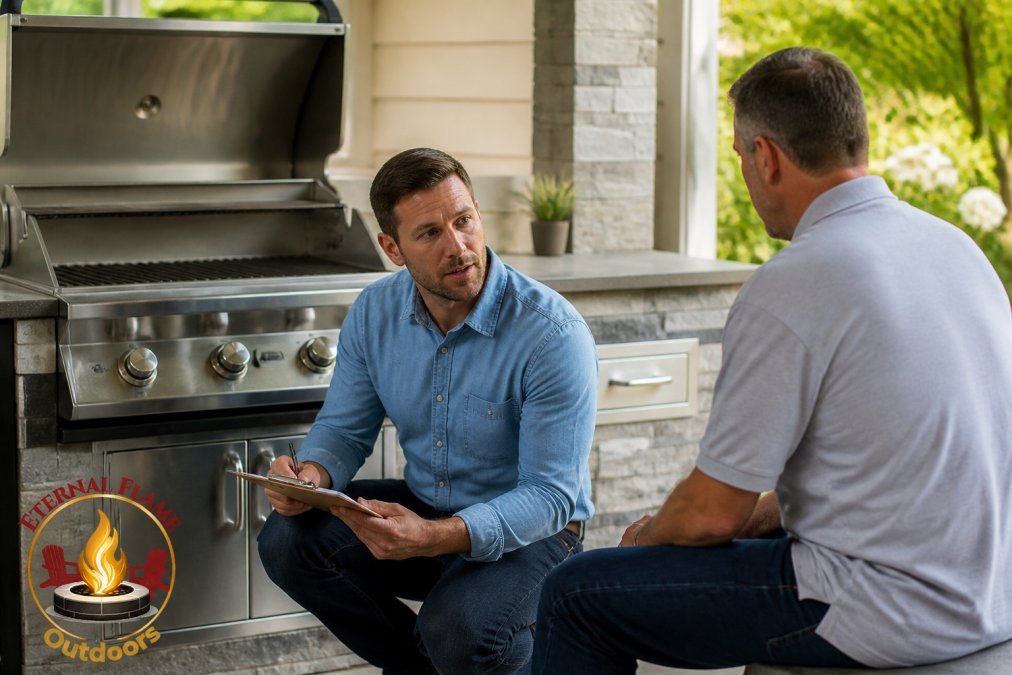
Outdoor Appliance Warranty Coverage Explained
Table of Contents
- What Is Outdoor Appliance Warranty Coverage?
- Manufacturer Warranty vs. Extended Protection Plans
- What Voids a Manufacturer Appliance Warranty
- Common Exclusions and Coverage No Limits
- Is Extended Warranty for Outdoor Appliances Worth It?
- Outdoor Kitchen Appliance Maintenance Tips
- Documentation and Warranty Protection
- Conclusion
Last Updated: August 28, 2026
What Is Outdoor Appliance Warranty Coverage?
An outdoor appliance warranty is a manufacturer's promise to repair or replace your grill, fire pit, outdoor kitchen component, or other outdoor equipment if it fails due to defects in materials or workmanship within a specified time period. This coverage protects your investment against unexpected repair costs, though what's actually covered depends heavily on the warranty type, the appliance itself, and how you use and maintain it.
Outdoor appliances face unique challenges that indoor equipment never encounters. They're exposed to temperature swings, UV radiation, moisture, salt air, and seasonal weather patterns that accelerate wear. A manufacturer's warranty acknowledges these conditions to a point, but it won't cover every failure that happens outdoors. Understanding the boundaries between what's covered and what isn't is the difference between a warranty that protects you and one that leaves you paying out of pocket when something breaks.
At Eternal Flame Outdoors, we work with premium brands like Dimplex and True Flame whose products come backed by solid warranties. But the warranty itself is only as valuable as you understand it. Most homeowners discover gaps in coverage only after something fails and they're reviewing the fine print.
Manufacturer Warranty vs. Extended Protection Plans
A manufacturer warranty is included with your appliance at no additional cost. It typically covers defects in materials and workmanship for a set period, often one to three years for outdoor equipment. The manufacturer stands behind the product's initial quality.
An extended warranty (also called a protection plan or service contract) is an optional purchase you make after buying the appliance. It extends coverage beyond the manufacturer's standard period, sometimes adding years of protection. Extended plans often cover wear-and-tear items the manufacturer warranty excludes, like replacement parts or labor costs.
The key difference comes down to scope and cost. A manufacturer warranty is your baseline, it's what you get. An extended warranty is supplemental insurance you buy to fill gaps or extend protection. Here's how they typically compare:
| Coverage Aspect | Manufacturer Warranty | Extended Protection Plan |
|---|---|---|
| Cost | Included with purchase | Additional fee (vaires) |
| Duration | Usually 1-3 years | Extends coverage 2-5+ years |
| What's covered | Manufacturing defects | Defects + wear-and-tear (varies by plan) |
| Labor costs | Often included | Depends on plan terms |
| Replacement parts | Usually covered | Depends on plan terms |
| Deductible | Typically none | Often applies |
| Transferability | Varies by brand | Rarely transferable |
The manufacturer warranty is your legal baseline. An extended warranty is a bet that something will break and you'll want coverage. Whether that bet makes sense depends on your appliance's reliability, your climate, and how long you plan to keep it.
What Voids a Manufacturer Appliance Warranty
Manufacturers protect themselves by excluding certain conditions from warranty coverage. Understanding what voids your warranty prevents costly surprises.
Installation and Setup Issues
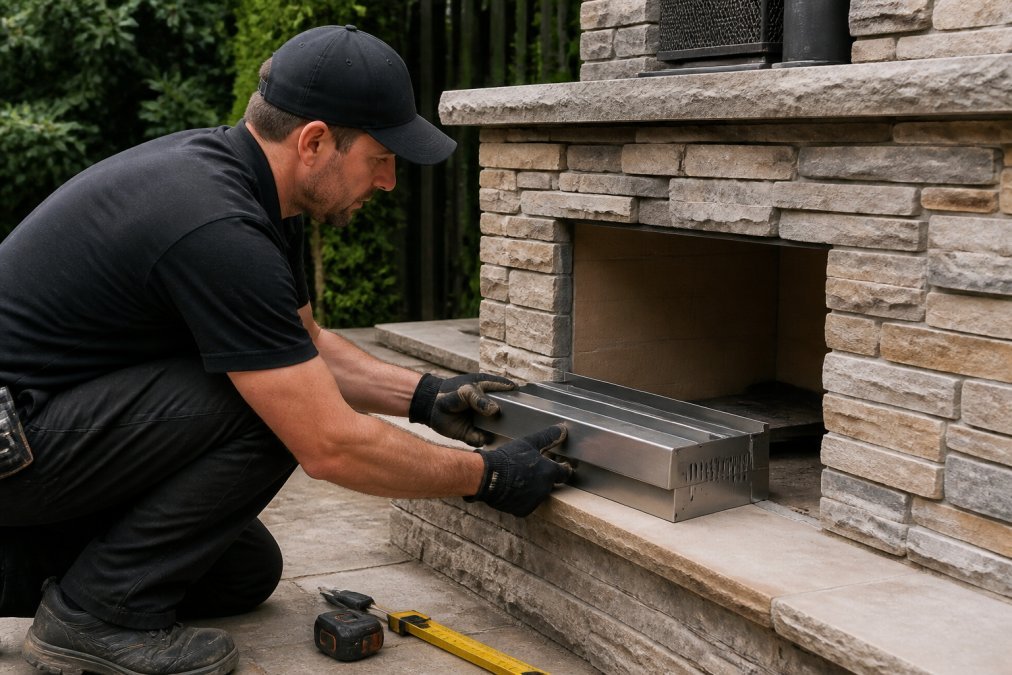
Most outdoor appliance warranties require professional installation or strict adherence to installation instructions. If you install a built-in grill yourself without following the manufacturer's specifications, incorrect gas line sizing, improper ventilation, or non-compliant electrical connections, the warranty is voided immediately. The manufacturer isn't liable if improper installation causes failure.
Even small deviations matter. Using the wrong type of gas line, failing to install a drip pan, or not securing the appliance properly can all trigger warranty exclusions. Some manufacturers require installation by a certified technician; others allow DIY installation but only if you follow their exact specifications.
Electrical appliances are especially strict. Electric fireplaces, for example, often require installation compliance with local building codes (nfpa.org). If you install one in a location that violates those codes, like too close to combustible materials or without proper clearance, the warranty voids. The manufacturer is protecting itself from liability, not just the product.
Environmental and Maintenance Neglect
This is where outdoor appliances diverge from indoor equipment. Manufacturers expect you to maintain your appliance in an outdoor environment, but they draw a line at negligence.
Failure to cover or protect your grill during winter, leaving it exposed to freezing rain and snow for months, or allowing standing water to accumulate inside the appliance are all forms of environmental neglect. The warranty assumes you'll take basic protective steps, covering equipment seasonally, draining water lines before freezing weather, and cleaning debris from vents.
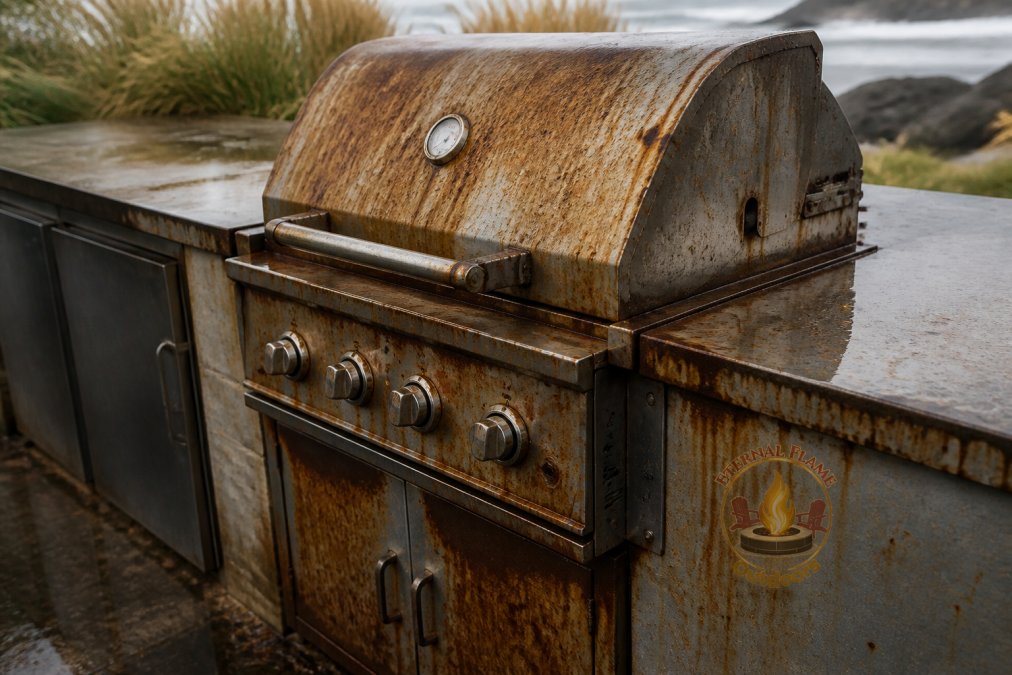
Rust and corrosion from salt air exposure are particularly contentious. Coastal homeowners face accelerated oxidation that inland owners don't (nist.gov). Some manufacturers exclude rust damage entirely. Others cover it only if you can prove you followed their maintenance schedule. The warranty language typically says something like "rust resulting from environmental exposure is not covered unless caused by a manufacturing defect."
Lack of preventative maintenance voids coverage too. If the manufacturer specifies that you should clean the burner ports quarterly and you haven't done it in two years, a clogged burner failure won't be covered. The warranty assumes active maintenance, not passive ownership.
Common Exclusions and Coverage Limits
Beyond what voids the warranty entirely, manufacturers exclude specific items and cap coverage in ways that matter.
Wear-and-tear items are almost universally excluded. Burner grates, cooking surfaces, thermometer seals, and gaskets wear out with use (aham.org). The manufacturer warranty typically doesn't cover replacement of these consumable parts. Extended warranties sometimes do, but at an additional cost.
Labor costs are sometimes excluded or capped. A manufacturer might cover the part but not the technician's time to install it. This creates a situation where the part is free but getting it fixed costs several hundred dollars. Some warranties may cap labor reimbursement, leaving you to pay the difference.
Cosmetic damage is always excluded. Scratches, dents, fading, and discoloration aren't covered because they don't affect function. This matters more than it sounds, a grill that looks weathered but works fine has no warranty recourse for appearance.
Food and beverage damage is excluded. If you accidentally pour liquid into an electrical component or food debris causes a short, that's your problem, not the manufacturer's.
Damage from modifications voids coverage. If you alter the appliance, adding custom parts, changing gas lines, or modifying the electrical system, the warranty is gone. Manufacturers don't support customized equipment.
Damage from misuse or abuse is excluded. This includes using the appliance for something it wasn't designed for, operating it without proper fuel or power, or using incompatible accessories.
Environmental damage from freezing, rust, corrosion, or weather exposure is often excluded unless you can prove a manufacturing defect caused it first. The warranty assumes you'll protect your equipment from the elements.
Coverage limits also matter. Many warranties cap the maximum payout, for example, a percentage of the original purchase price or a flat amount. If your grill costs $2,000 and a major component fails, a coverage limit may leave you paying the rest.
Is Extended Warranty for Outdoor Appliances Worth It?
Whether an extended warranty makes financial sense depends on three factors: the appliance's reliability, your climate, and how long you plan to own it.
Outdoor appliances in harsh climates, coastal areas with salt air, high-altitude regions with temperature extremes, or areas with heavy freeze-thaw cycles, fail more often than those in mild climates. If you live in such a region, extended coverage has higher value because failures are more likely.
Conversely, if you're in a temperate climate and buying from a reliable brand, the risk of failure during the extended period is lower. The odds may not justify the cost.
Consider your ownership timeline too. If you plan to keep the grill for 10 years, extended coverage that lasts 5 years makes sense. If you typically upgrade equipment every 3-4 years, extended coverage beyond year 5 is wasted money.
The deductible also matters. A plan with a deductible per claim might cost a certain amount upfront. You're betting that you'll have at least two failures during the coverage period to break even. For reliable equipment, that's a poor bet.
Extended warranties are most valuable for high-use appliances in challenging environments. A grill that gets used daily in a coastal climate has a real risk of needing service. A backup grill in a mild climate that's used occasionally is a poor candidate for extended coverage.
Outdoor Kitchen Appliance Maintenance Tips
The best warranty is one you never need to use. Preventative maintenance keeps your outdoor appliances running longer and protects your warranty coverage.
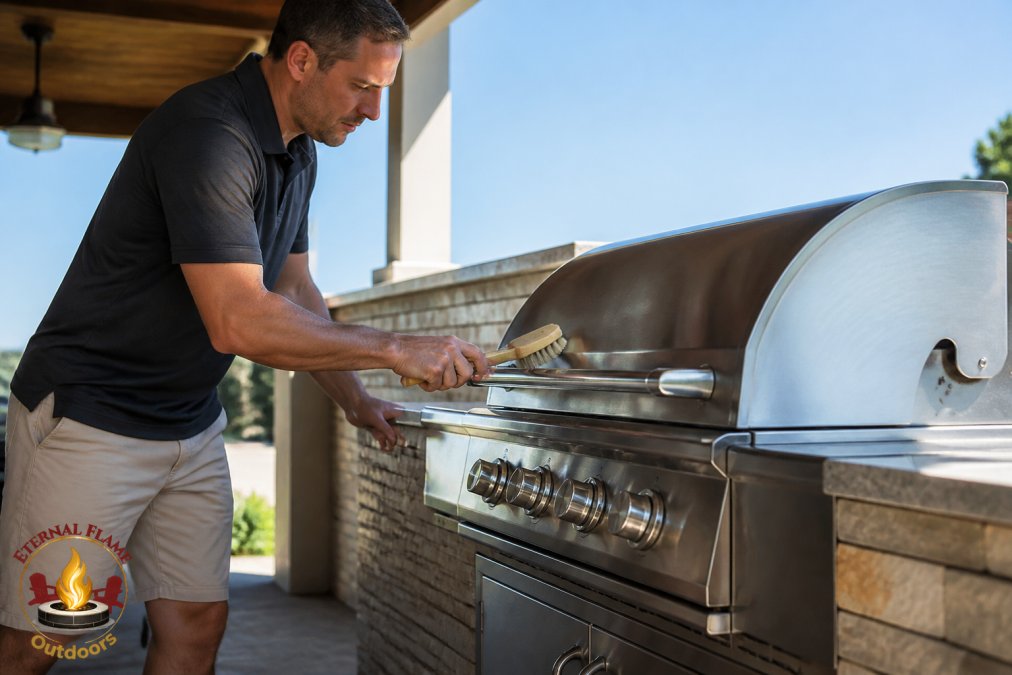
Clean regularly. Grease and food debris accumulate quickly on outdoor equipment. Clean your grill's cooking surface after every use. Empty grease traps weekly during heavy use. For fire pits and fireplaces, clear ash and debris monthly. Regular cleaning prevents buildup that causes corrosion and mechanical failure.
Cover when not in use. A quality cover is your first line of defense against weather. Cover your grill, outdoor kitchen components, and fire features when you're not using them. In winter, covering is essential, it prevents snow, ice, and rain from accumulating inside the appliance. Covers are inexpensive compared to the repair costs they prevent.
Protect against seasonal extremes. Before winter, drain water from gas lines and outdoor kitchen plumbing. Disconnect propane tanks and store them indoors. In spring, inspect for winter damage and clean out any debris that accumulated. In coastal areas, wash equipment with fresh water monthly to remove salt residue.
Check connections and seals. Inspect gas line connections quarterly for leaks. Look for corroded or damaged electrical connections. Check door and lid seals for cracks. Small issues caught early prevent larger failures.
Follow the maintenance schedule. Your appliance manual specifies maintenance intervals. Burner cleaning, filter replacement, and inspection schedules exist for a reason. Following them keeps your warranty valid and your equipment reliable.
Use compatible parts and accessories. Replacement parts should match the manufacturer's specifications. Using aftermarket or incompatible parts can void your warranty and cause failures.
Document everything. Keep records of maintenance, repairs, and service calls. Documentation proves you've maintained the appliance properly, which is crucial if you ever need to file a warranty claim.
Documentation and Warranty Protection
Your warranty is only as strong as your proof of purchase and maintenance records.
Keep your original receipt or proof of purchase. Many warranties require it to validate coverage. Digital receipts are fine, but store them securely. If you ever sell the appliance, the new owner may need proof of the original purchase date to transfer the warranty (if transferable).
Register your appliance with the manufacturer if registration is available. Some warranties require registration to be valid. Even if not required, registration creates a record linking you to the product and its warranty period.
Maintain a maintenance log. Document every cleaning, inspection, and service. If a component fails and you file a claim, you'll need to show that you maintained the appliance properly. A log of regular cleaning and seasonal protection demonstrates that you didn't neglect the equipment.
Keep all warranty documentation, the original warranty certificate, any extended plan documents, and service records. Store these in a safe place, ideally both digitally and physically.
If you hire a professional for installation or service, ask for a written receipt that specifies what was done and when. This creates a record that supports your warranty claims later.
Photograph your appliance after installation and periodically thereafter. Photos document the condition of the equipment and prove proper installation. They're valuable if you ever dispute a warranty claim.
When filing a warranty claim, provide complete documentation. Include your proof of purchase, registration confirmation, maintenance records, and photos of the failure. The more documentation you provide, the stronger your claim.
Understanding your outdoor appliance warranty means knowing what's covered, what's excluded, and what actions protect or void your coverage. The warranty is a contract, the manufacturer's obligation in exchange for your proper use and maintenance.
At Eternal Flame Outdoors, we work with premium brands whose warranties reflect confidence in their products. When you invest in a quality grill, fire pit, or outdoor kitchen appliance from our curated selection, you're getting not just the product but the backing of manufacturers who stand behind their work. We're here to help you understand your coverage, maintain your equipment properly, and navigate warranty claims if needed. Contact us to discuss warranty options for your outdoor living project, or explore our collection of premium outdoor appliances backed by solid manufacturer protection.
Frequently Asked Questions
Q: What is typically covered under an outdoor appliance warranty?
A: Most manufacturer warranties cover mechanical and electrical failures caused by defects in materials or workmanship. This includes component failures, broken heating elements, and malfunctioning controls. However, coverage varies by brand and product type. Wear-and-tear, rust, corrosion from environmental exposure, and damage from improper installation are typically excluded. Always review your specific product's warranty terms and conditions to understand exactly what's protected and what requires out-of-pocket expenses.
Q: What voids a manufacturer appliance warranty on outdoor equipment?
A: Common warranty voidance includes improper installation, failure to perform preventative maintenance, DIY repairs by unauthorized technicians, damage from weather or environmental factors, and using non-approved replacement parts. Many warranties also become void if you don't register the product or maintain proof of purchase and serial number documentation. Environmental damage, rust, salt spray corrosion, UV degradation, may not be covered depending on your climate and the warranty terms. Always follow the manufacturer's installation compliance guidelines and use only authorized service technicians for repairs.
Q: Is an extended warranty for outdoor appliances worth the investment?
A: Extended warranties can make sense for high-value outdoor kitchen components, especially if you live in harsh climates with intense sun, salt air, or extreme temperature swings. Extended coverage typically adds protection for wear-and-tear and environmental damage that manufacturer warranties exclude, and may cover labor costs and service call fees. However, evaluate the deductible, coverage limits, and what's actually excluded before purchasing. For premium appliances from trusted brands with strong manufacturer warranties, the added protection may justify the cost. Consider your climate, usage frequency, and budget before deciding.
Q: What documentation do I need to keep my outdoor appliance warranty valid?
A: Keep your proof of purchase, product serial number, warranty documentation, and installation records in a safe place. Many manufacturers require proof of purchase to process warranty claims. If you hire a professional installer, retain the installation compliance documentation and receipt. Take photos of your outdoor appliance when installed and periodically document its condition. Keep records of any preventative maintenance performed, including cleaning and seasonal care. If you need to file a claim, having complete documentation ensures faster claim processing and helps prevent disputes over coverage eligibility.

Leave a comment
This site is protected by hCaptcha and the hCaptcha Privacy Policy and Terms of Service apply.