
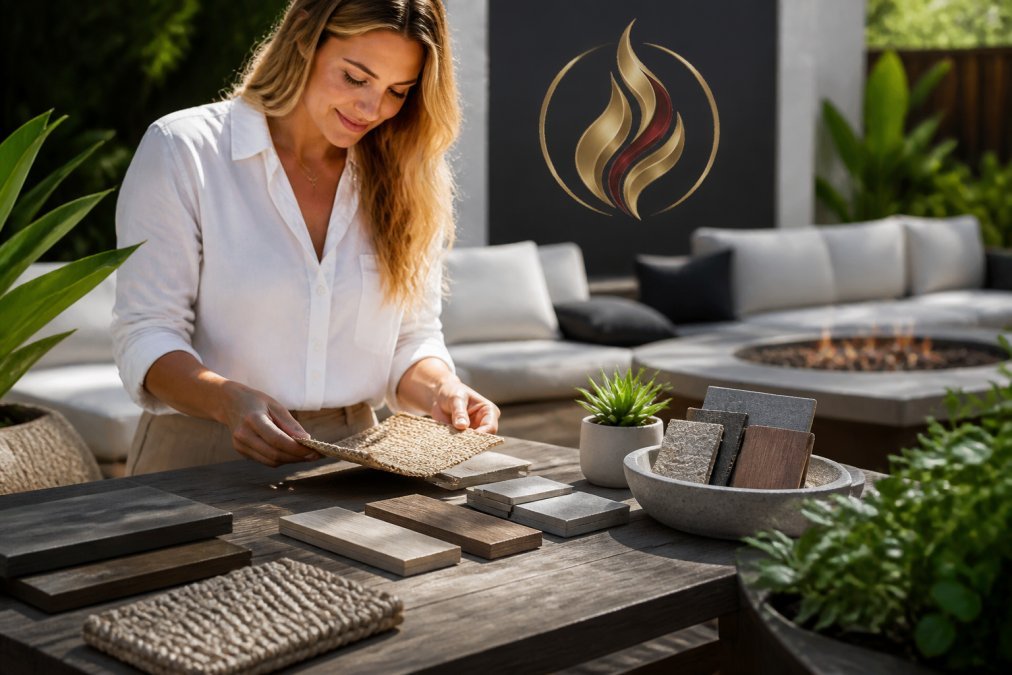
Sustainable Materials for High-End Patio Sets
Table of Contents
- Why Sustainable Materials Matter for High-End Patio Sets
- Glass Fiber Reinforced Concrete (GFRC) for Premium Durability
- Durable Eco-Friendly Outdoor Materials: Recycled HDPE and Composites
- FSC-Certified Wood and Responsibly Sourced Teak
- Powder-Coated Aluminum and Stainless Steel: Weather-Resistant Bases
- Maintenance Tips for Sustainable Outdoor Features
- High-End Outdoor Space Planning with Sustainable Materials
- Conclusion
- Frequently Asked Questions
Last Updated: September 23, 2026
When you're investing in high-end outdoor living, the material choice determines everything: durability, maintenance burden, aesthetic appeal, and long-term value. At Eternal Flame Outdoors, we've guided countless homeowners through outdoor living upgrades, and the conversation always circles back to one critical question: which sustainable materials actually deliver on their promises?
This guide breaks down the best sustainable materials for high-end outdoor living, from those prioritizing longevity to those emphasizing responsible sourcing, so you can make an informed choice backed by real performance data rather than marketing claims.
Why Sustainable Materials Matter for High-End Patio Sets
Choosing sustainable materials for outdoor living is both an environmental responsibility and a practical investment. Materials engineered for longevity avoid the replacement cycle every few years, reduce waste, lower total cost of ownership, and deliver consistent performance across seasons.
Sustainable materials also hold their aesthetic appeal longer. FSC-certified wood and teak develop a natural patina many homeowners prefer, while powder-coated aluminum resists fading and corrosion.
Glass Fiber Reinforced Concrete (GFRC) for Premium Durability
GFRC is engineered concrete reinforced with glass fibers, combining stone aesthetics with modern durability. It resists freeze-thaw cycles, UV damage, and moisture penetration better than standard concrete, prevents cracking and spalling, and doesn't require sealing every few years like traditional concrete.
GFRC's design versatility allows casting into complex shapes, integrated ledges, and custom finishes, so your sustainable materials for outdoor living look sculptural and contemporary rather than utilitarian.
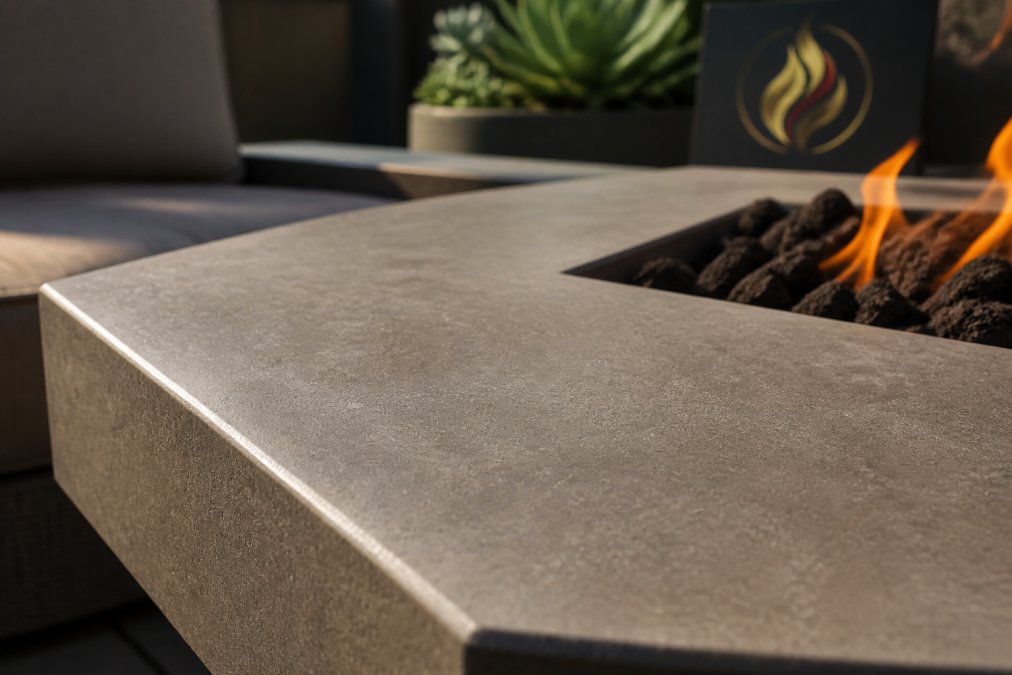
The Outdoor Plus manufactures premium GFRC fire features handcrafted in the USA, including their Regal and Del Mar collections. The Regal Fire Pit in 54 inches features commercial-grade stainless steel burners and multiple ignition options. GFRC's main consideration is weight, a 60-inch fire table can weigh several hundred pounds, but this density contributes to weather resistance and stability in windy conditions.


Durable Eco-Friendly Outdoor Materials: Recycled HDPE and Composites
Modern HDPE formulations offer wood-grain finishes and natural color palettes that don't read as artificial. The Outdoor Plus Alameda Fire Table pairs a wood-grain composite surface with a powder-coated metal base for a sophisticated hybrid design. The trade-off is thermal properties, composites can become hot in intense sunlight and expand slightly with temperature changes, though quality manufacturing minimizes visible movement.
| Material | Weather Resistance | Maintenance | Lifespan | Best For |
|---|---|---|---|---|
| GFRC Concrete | Excellent | Minimal | 30+ years | Architectural focal points |
| Recycled HDPE | Excellent | Minimal | 20+ years | High-traffic areas |
| FSC-Certified Wood | Good | Moderate | 15-20 years | Natural aesthetics |
| Teak | Excellent | Minimal | 25+ years | Premium investment |
| Powder-Coated Aluminum | Excellent | Minimal | 20+ years | Lightweight designs |
FSC-Certified Wood and Responsibly Sourced Teak
FSC-certified wood comes from forests managed according to strict environmental and social standards. Responsibly sourced teak ensures harvesting practices protect forest ecosystems and support local communities. Wood brings warmth and natural character; when properly treated, FSC-certified hardwoods develop a silver-gray patina many designers prefer, and teak's natural oils provide inherent weather resistance without toxic chemical treatments.
Long-term wood performance depends on climate. In arid regions, wood remains stable; in humid or wet climates, it requires frequent maintenance to prevent rot and mold. Sustainable materials patio sets made from wood are beautiful but not maintenance-free.
Powder-Coated Aluminum and Stainless Steel: Weather-Resistant Bases
Powder coating bonds a protective polymer layer to metal surfaces, resisting corrosion, UV fading, and salt spray. Aluminum's lightweight nature makes it practical for large pieces, while stainless steel (304-grade) provides greater corrosion resistance for commercial and coastal applications.
The Outdoor Plus offers a wide selection of powder-coat base color options across their Alameda collection, allowing sustainable materials for outdoor living to integrate seamlessly with your outdoor aesthetic. Powder-coated finishes last for years without touch-ups, unlike paint, reducing refinishing cycles and chemical waste.
Maintenance Tips for Sustainable Outdoor Features
GFRC Concrete: Minimal but Strategic Care
Allow GFRC to cure fully (28 days) before heavy use. Clean annually with a soft-bristle brush and mild soap; avoid pressure washing above 1,500 PSI. In humid climates, apply a penetrating sealer every 2-3 years to extend finish lifespan and prevent moss growth. Hairline cracks are cosmetic; seal larger cracks with concrete crack filler.
Recycled HDPE and Composite Materials: True Set-and-Forget Performance
HDPE composites require no sealing or refinishing, wipe quarterly with damp cloth and mild soap. Tighten fasteners annually in spring to account for thermal expansion. Clean spills promptly to prevent staining. Unlike wood, composites won't splinter or rot, making them ideal for high-traffic and humid areas.
FSC-Certified Wood and Teak: Climate-Dependent Maintenance
Wood maintenance is where climate becomes the decisive factor. In arid climates (Southwest, interior West), wood is remarkably stable and requires minimal care. In humid or wet climates (Southeast, Pacific Northwest, coastal), wood demands consistent attention or it will deteriorate.
Arid climates: FSC-certified hardwoods and teak develop a natural silver-gray patina without intervention. If you prefer the original color, apply teak oil or a water-resistant sealant annually in spring. One coat per year is sufficient. The wood will weather gracefully and remain structurally sound for 20+ years with this minimal care.
The Outdoor Plus Alameda Fire Table →
Humid or wet climates: Wood requires more aggressive maintenance. Apply a water-resistant sealant or exterior stain every 12-18 months, not annually. In the Pacific Northwest or Southeast, consider a sealant rated for high moisture environments. Teak, which contains natural oils, requires less frequent sealing than other hardwoods, every 2-3 years is acceptable for teak even in humid climates.
Inspect wood joints and fasteners annually. Moisture infiltration at joints is the primary failure point. If you notice soft spots or discoloration spreading from joints, the wood is absorbing water and beginning to rot. Address this immediately with additional sealant or professional refinishing.
In very humid climates, consider whether wood is the right choice at all. A composite top with a wood-grain finish (like the Alameda Fire Table) delivers the aesthetic without the maintenance burden. This is a pragmatic sustainability choice, a wood piece that requires replacement every 8-10 years is less sustainable than a composite piece lasting 20+ years.
Powder-Coated Aluminum and Stainless Steel: Corrosion Prevention
Powder-coated finishes are durable, but they're not indestructible. The coating is typically 2-3 mils thick, thin enough that any breach exposes bare metal to corrosion.
Clean powder-coated surfaces quarterly with mild soap and water. Avoid abrasive scrubbers or steel wool, which can scratch the coating. In coastal environments, rinse with fresh water monthly to remove salt spray, which accelerates corrosion.
If the coating chips or scratches, touch up immediately with a powder-coat paint pen or spray (available in matching colors from most manufacturers). Don't wait, bare aluminum oxidizes quickly, and bare steel rusts within weeks of exposure to moisture.
Stainless steel, particularly 304-grade, is more forgiving. It resists corrosion naturally, though salt spray can still cause pitting over time. Rinse stainless steel monthly in coastal areas, and wipe dry to prevent water spotting. Stainless steel doesn't require touch-ups like powder-coated aluminum does.
Seasonal Maintenance Schedule
Regardless of material, a seasonal rhythm prevents problems:
- Spring: Inspect all pieces for winter damage. Tighten fasteners on composites and metal frames. Apply sealant to wood if needed. Clean all surfaces thoroughly.
- Summer: Monitor for staining or discoloration. Address spills promptly. In very hot climates, ensure composite pieces have adequate shade to prevent excessive thermal expansion.
- Fall: Remove leaves and debris from surfaces and joints. This prevents moisture trapping and mold growth. Apply final sealant coat to wood before winter.
- Winter: In freeze-thaw climates, ensure water drains away from the piece. Standing water that freezes can damage finishes and joints. In coastal areas, increase rinsing frequency to combat salt spray.
The Maintenance-Durability Trade-off
Here's the practical reality: the material requiring the least maintenance over 15 years is usually the most sustainable choice, even if the initial cost is higher.
High-End Outdoor Space Planning with Sustainable Materials
Selecting sustainable materials for your outdoor living space is only half the equation. How you integrate these pieces into your overall outdoor living space determines whether they deliver lasting value.
Conclusion
The best sustainable materials for high-end outdoor living balance durability, aesthetics, and realistic maintenance requirements. GFRC delivers architectural presence and exceptional longevity. Powder-coated aluminum and stainless steel bases ensure structural longevity across all designs.
Frequently Asked Questions
What are the most durable sustainable materials for outdoor patio sets?
Glass Fiber Reinforced Concrete (GFRC), recycled HDPE plastic, FSC-certified wood, and powder-coated aluminum lead the market for durability and sustainability. GFRC offers exceptional weather resistance and longevity, often lasting 20+ years with minimal maintenance. Recycled HDPE provides UV stability and won't splinter, while FSC wood from responsibly managed forests combines aesthetic appeal with environmental accountability. Powder-coated aluminum resists corrosion and requires only occasional cleaning. The best choice depends on your climate, design preferences, and maintenance commitment.
How does material sustainability impact the longevity of outdoor features?
Sustainable materials are engineered for extended lifespan, reducing replacement frequency and overall environmental impact. GFRC's fiber reinforcement prevents cracking in freeze-thaw cycles. Recycled HDPE resists moisture absorption that causes wood rot. FSC-certified hardwoods are naturally dense and resistant to decay when properly sealed. UV-stabilized composites maintain color and structural integrity for decades. Investing in sustainable, durable materials means fewer replacements, lower lifetime costs, and reduced waste, making them genuinely eco-conscious choices for high-end outdoor living.
Are there PFAS-free options for high-end outdoor living spaces?
Yes. GFRC concrete and stainless steel burner systems are inherently PFAS-free. When selecting fire tables or pits, verify that powder-coat finishes and any protective coatings meet PFAS-free standards. Eternal Flame Outdoors' premium fire tables, such as the Alameda and Regal collections, use GFRC and powder-coated aluminum bases, ensuring your luxury outdoor space remains free from these persistent chemicals.
Why choose recycled materials for luxury outdoor design?
Recycled materials deliver premium performance without depleting virgin resources. Composite tops and bases crafted from recycled content perform identically to virgin materials but with a smaller carbon footprint, making them ideal for environmentally conscious homeowners who refuse to compromise on style or quality.
%20for%20Premium%20Durability%0ADurable%20Eco-Friendly%20Outdoor%20Materials:%20Recycled%20HDPE%20and%20C...)
Leave a comment
This site is protected by hCaptcha and the hCaptcha Privacy Policy and Terms of Service apply.